A bleak opening: the problem that started every retrofit
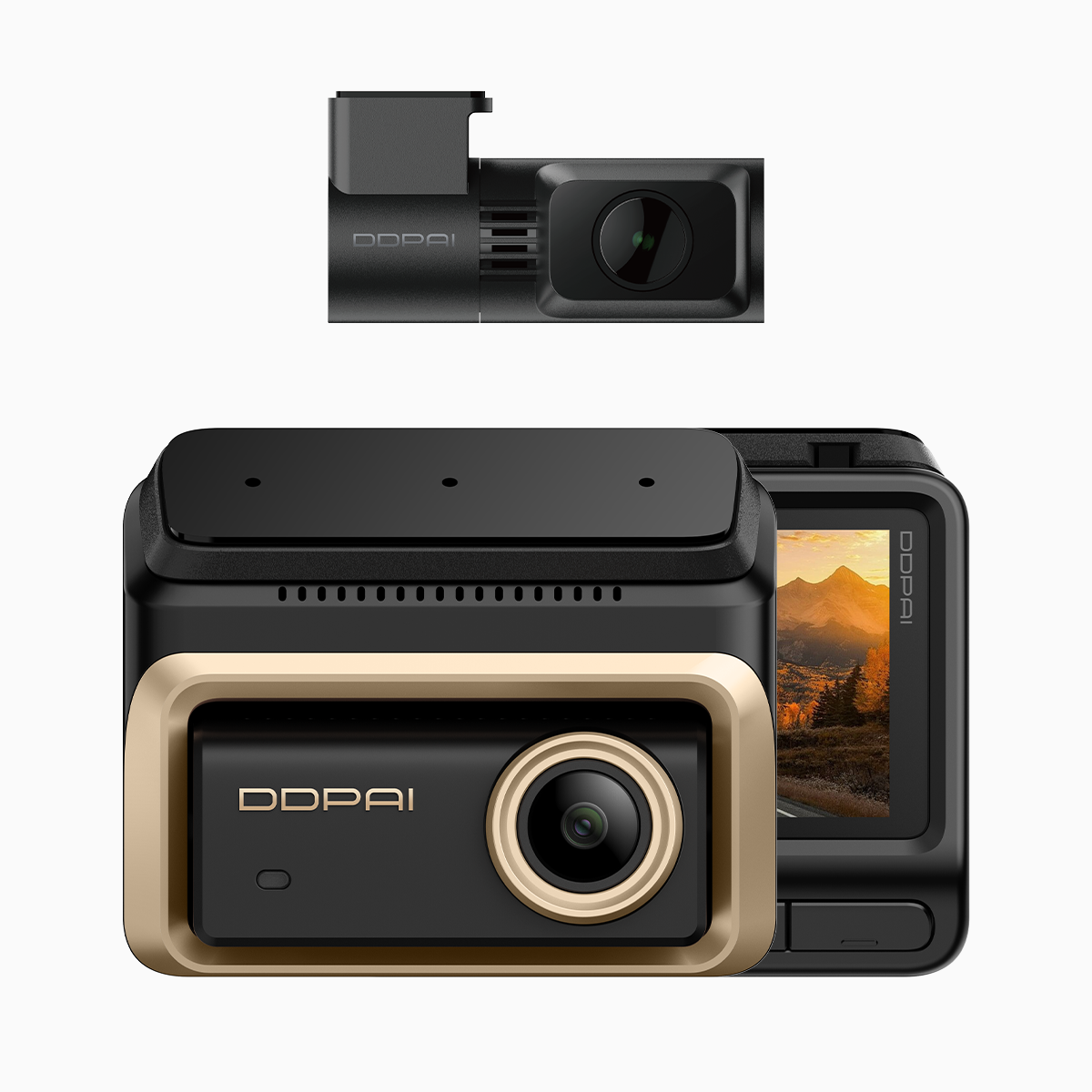
The fleet returns at dusk with more complaints than miles: phantom lane warnings, proximity beeps that bleed into driver fatigue, and video clips that fail to prove what actually happened. Commercial operators know the cost—lost hours, disputed claims, eroded trust. The weak link is often hardware tuned for consumer roads, not for heavy-load routes. When installing a robust 3 channel dash cam into a commercial rig, ADAS behaviors—lane departure warning, proximity alert—need deliberate adjustment or they become noise, not protection. The stakes are real; WHO places global road deaths near 1.3 million annually, and in dense corridors like Metro Manila, false positives multiply under congestion and narrow lanes.

Why standard settings fail in commercial use
Manufacturers ship defaults for average drivers on clear roads. Commercial vehicles operate with higher blind spots, heavier sway, and different center-of-gravity dynamics. Lane departure warning algorithms tuned to sedans misread trailer overhangs. Proximity alert thresholds set for bumper-to-bumper urban cars trigger endlessly on a packed loading bay. The result is alert fatigue—drivers learn to ignore warnings, and a safety feature degrades into background noise. ADAS requires calibration to vehicle geometry and mission profile; ignoring that is an operational liability.
Technical roots: sensors, firmware, and placement
Sensors and software conspire. Camera field-of-view, mounting height, and pitch change lane marking interpretation. Firmware that applies generic lane models won’t adapt without updates. Video codec and recording resolution determine whether an incident log is evidentiary or just a blur. Proper calibration, routine firmware checks, and alignment are not luxuries—they’re infrastructure. A note on terminology: lane departure warning, proximity alert, and calibration are not buzzwords here; they are the levers you must control.
Practical tightening: a prioritized checklist
Begin with the vehicle-specific baseline and work outward. These steps stop most false alarms.
– Mount cameras at recommended heights and secure them to reduce vibration. – Recalibrate lane detection to account for trailer length and side mirrors. – Adjust proximity thresholds to reflect commercial parking and loading maneuvers. – Apply firmware updates that improve detection models and fix known biases. – Validate event logs with paired GPS timestamps to reduce false reconstructions.
Human factors and common missteps
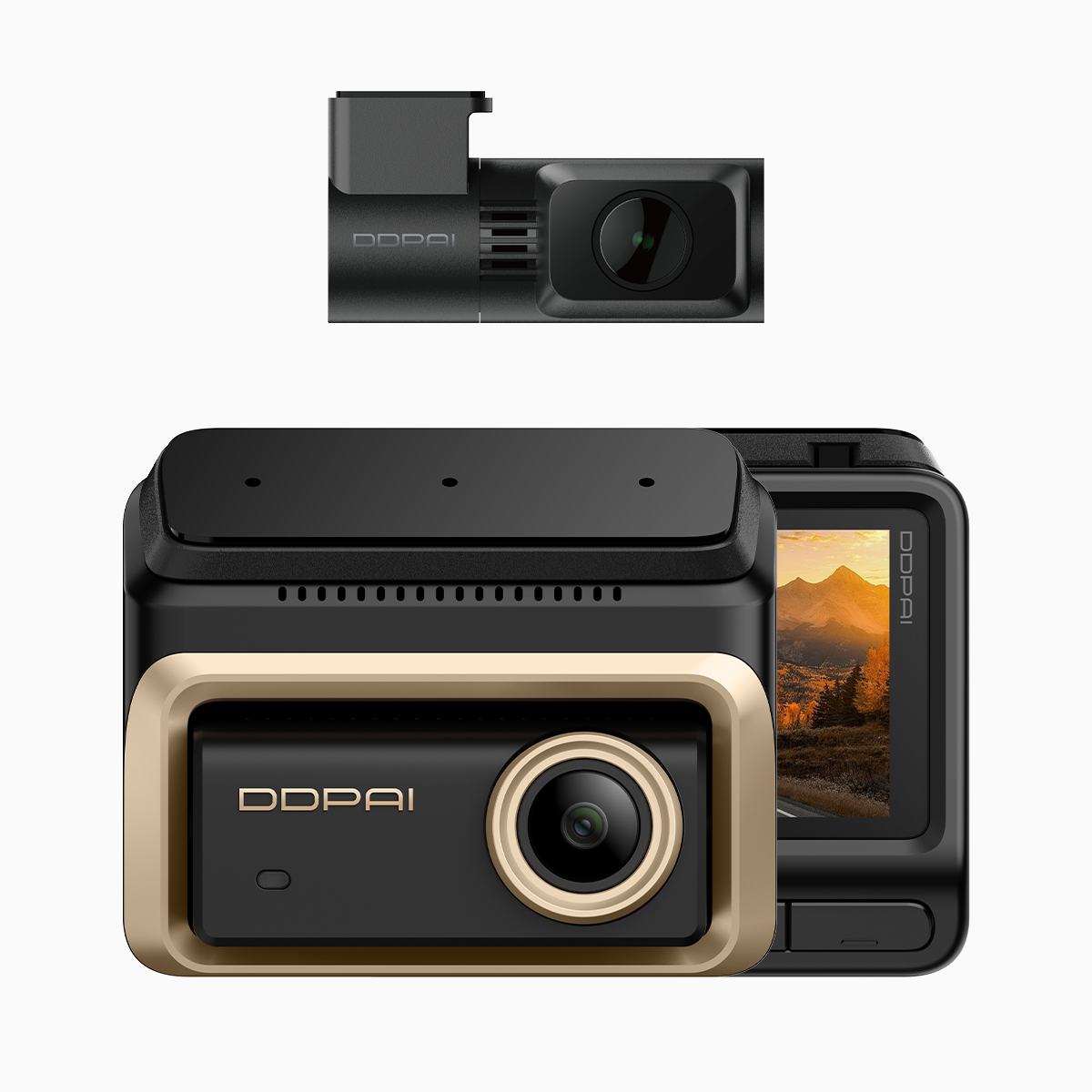
Training is the other half. Drivers who understand what an alert means and when to document override actions will treat the system as an ally. The common mistakes are predictable: over-trimming sensitivity to stop beeps, which then erases crucial warnings; postponing firmware updates because they seem minor; and trusting a single camera without rear or interior coverage. —Address these and the system begins to act like a safety partner rather than a recurring annoyance.
Alternatives and complementary tools
If lane marking quality is poor, consider sensor fusion: add ultrasonic or radar modules to supplement camera-based ADAS. For night or low-contrast routes, higher dynamic range sensors and improved IR can reduce misreads. Off-board analytics—server-side reprocessing of incident clips—can flag patterns of false positives and suggest permanent calibration changes. Trade-offs exist: more sensors mean complexity and cost; still, the payback is measurable in reduced claims and clearer incident evidence.
Real-world anchor and measurable outcomes
On a pilot fleet operating in Metro Manila, teams that followed a structured calibration and update cadence reduced actionable false alerts by roughly half within two months—fewer driver overrides, clearer incident footage, and faster claims resolution. These improvements map directly to lower downtime and fewer contested incidents; the numbers matter when legal exposure and payroll hours are at stake.
Three golden metrics to judge your deployment
Adopt these metrics as non-negotiable evaluation tools:
1) False Positive Rate: track how many alerts produce no verifiable event. Aim below 5% for commercial routes. 2) Detection Latency: measure time between real-world trigger and system alert—keep it under 300 ms for effective proximity response. 3) Evidence Quality: quantify usable clips per incident—resolution, timestamp accuracy, and codec integrity must meet legal thresholds.
These metrics shape procurement, configuration, and training. They also spotlight where DDPAI’s tuned hardware and update pipeline solve recurring causes—firmware that improves lane models, camera arrays matched to commercial fields of view, and logging designed for claims review. DDPAI Philippines. —Final note: rigorous tuning turns vigilance into verifiable safety.