Introduction — why context changes the camera
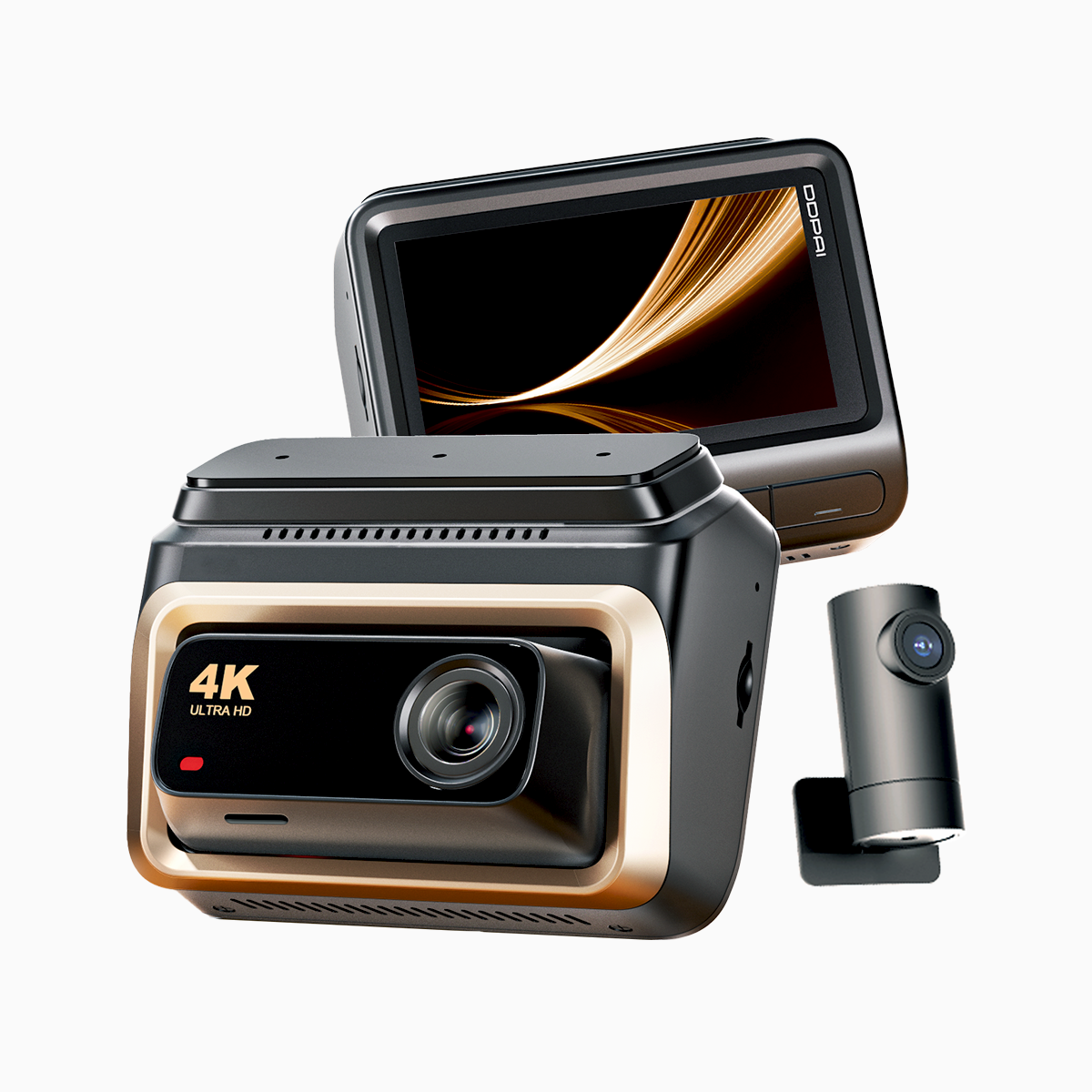
The demands of Metro Manila’s EDSA rush hour differ sharply from an open‑road highway at dawn; one needs constant situational awareness, the other demands endurance and clarity across varied light. This comparative insight lays out how resolution, frame rate, and 4G connectivity translate into real driving value, and why a tailored setup matters. If you want crisp daytime detail and reliable remote access, a 4k dash cam can be the core of a smart, practical system.
Daily EDSA Commuting: priorities and sensory cues
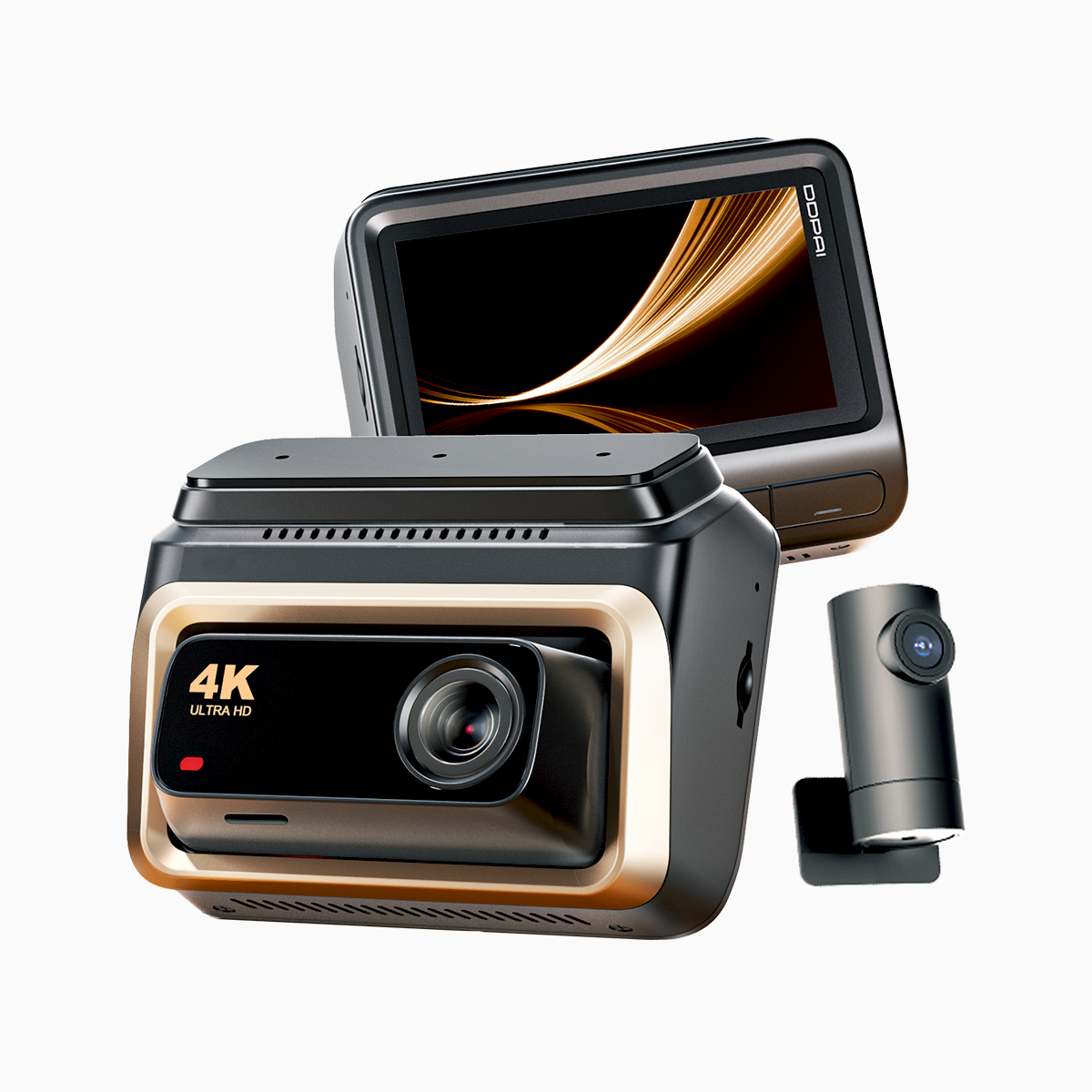
Traffic on EDSA feels dense — tires grinding, horns layering into a steady low hum. For this environment you need immediate evidence that reads well at close range. Prioritize high resolution for license-plate legibility, good wide dynamic range (WDR) to handle glare from concrete and reflected sun, and fast frame rate to capture quick lane changes. GPS logging and compact field of view reduce clutter in the frame so you record only relevant incidents. Low-light sensitivity helps for early mornings and late evenings on crowded interchanges.
Long-Distance Road Trips: what really matters
On long hauls the world opens up: the long sightlines, shifting shadows across the highway, and a need to archive long stretches of footage. Here, stability and storage efficiency matter more than ultra-tight framing. You want efficient bitrate management to keep file sizes reasonable, dependable loop recording that won’t drop frames after hours, and robust parking mode to protect parked scenes. 4G connectivity helps for live alerts or remote upload when coverage is available — but battery and thermal performance become critical far from service centers.
Direct comparison: features mapped to use-case
Below are feature mappings to help you choose. The sensory descriptors help you imagine how each choice behaves in the real world.
– Resolution: 4K for close-range EDSA detail versus 1080p/2K for long files and battery economy on long trips.
– Frame rate: 60fps benefits sudden urban maneuvers; 30fps is acceptable for steady highway scenes.
– WDR and low-light sensor: essential for shaded underpasses and dawn/dusk on both use cases.
– 4G connectivity: high value for commuters needing immediate uploads and for road-trippers who want remote incident alerts.
– Loop recording & bitrate: prioritize efficient encoding on trips to prevent storage overflow.
Recommended setups and practical tweaks
For EDSA commuting: mount a compact front 4K unit with WDR, enable GPS logging, and set a higher frame rate. Keep parking mode active with motion detection for short stops. For long-distance trips: balance resolution and bitrate (2K or 4K with conservative bitrate), pair with a high-capacity microSD and a hardwired power kit to avoid cutouts. Add a rear camera only if you frequently use service roads or park in tight lots.
Choose a model with heat management and reliable loop recording — these are the unsung features that save footage integrity on a 500‑km stretch. Also consider a unit marketed as an uhd dash cam if you want consistent high-fidelity-wide shots without overwhelming storage.
Common mistakes to avoid — short list
Drivers often make the same slips: over-investing in resolution without considering bitrate, neglecting thermal ratings for long trips, or skipping GPS which undermines the footage’s evidentiary value. Don’t disable parking mode to “save battery” — that’s when you need protection most. And avoid cheap mounts that vibrate; sensor performance is wasted on a shaky frame.
Three golden evaluation metrics
1) Evidence clarity index — combine resolution, frame rate, and WDR to judge usable detail under real light conditions. 2) Reliability score — thermal handling, loop recording stability, and power management indicate whether a unit survives long trips and heavy commutes. 3) Connectivity value — test 4G performance in your regular routes; remote upload and live alerts are only useful where signal exists.
Closing guidance
Match your primary environment to the camera’s strengths: low-light sensors and WDR for EDSA; efficient encoding and power resilience for road trips. These metrics lead to measurable results — clearer evidence, fewer lost files, and peace of mind on the road. For a balance of fidelity and real-world durability, consider solutions from a specialist who tests in local conditions like EDSA. DDPAI PH does just that — practical, tested gear tuned to everyday Manila driving. —