Comparative angle up front
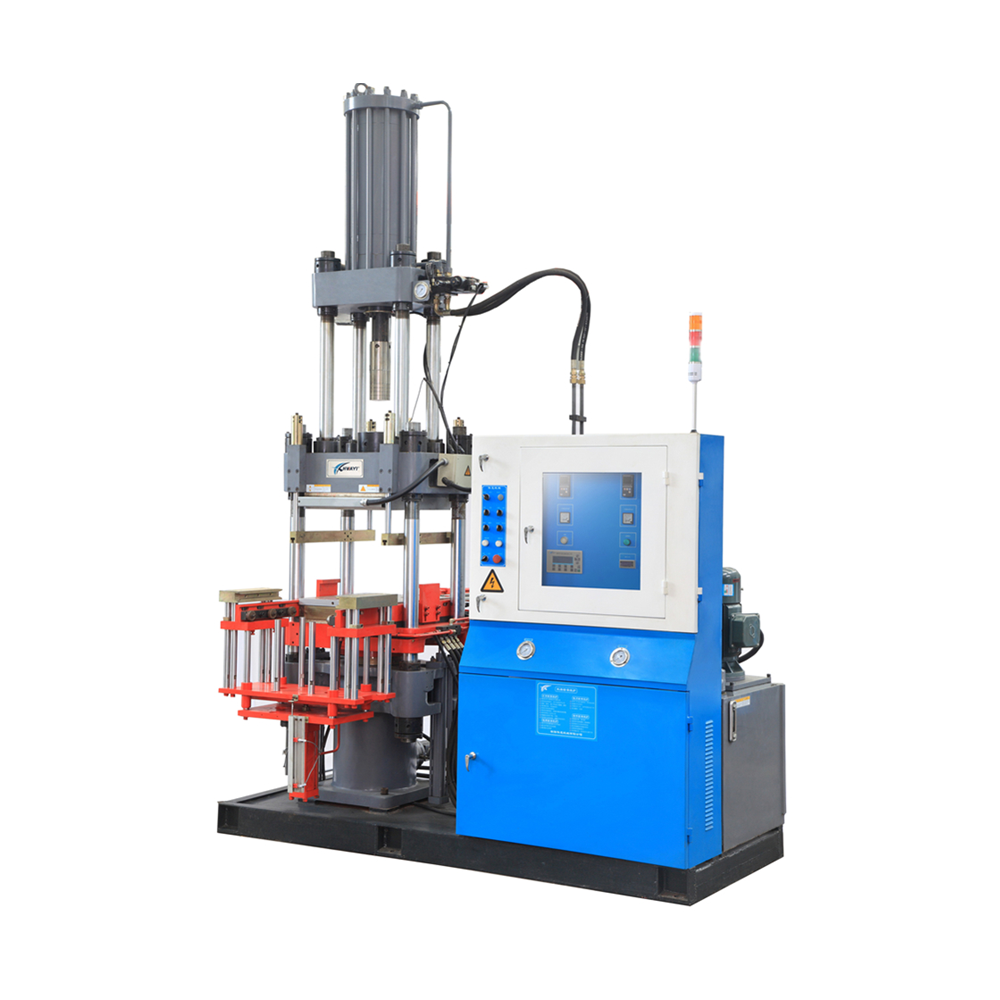
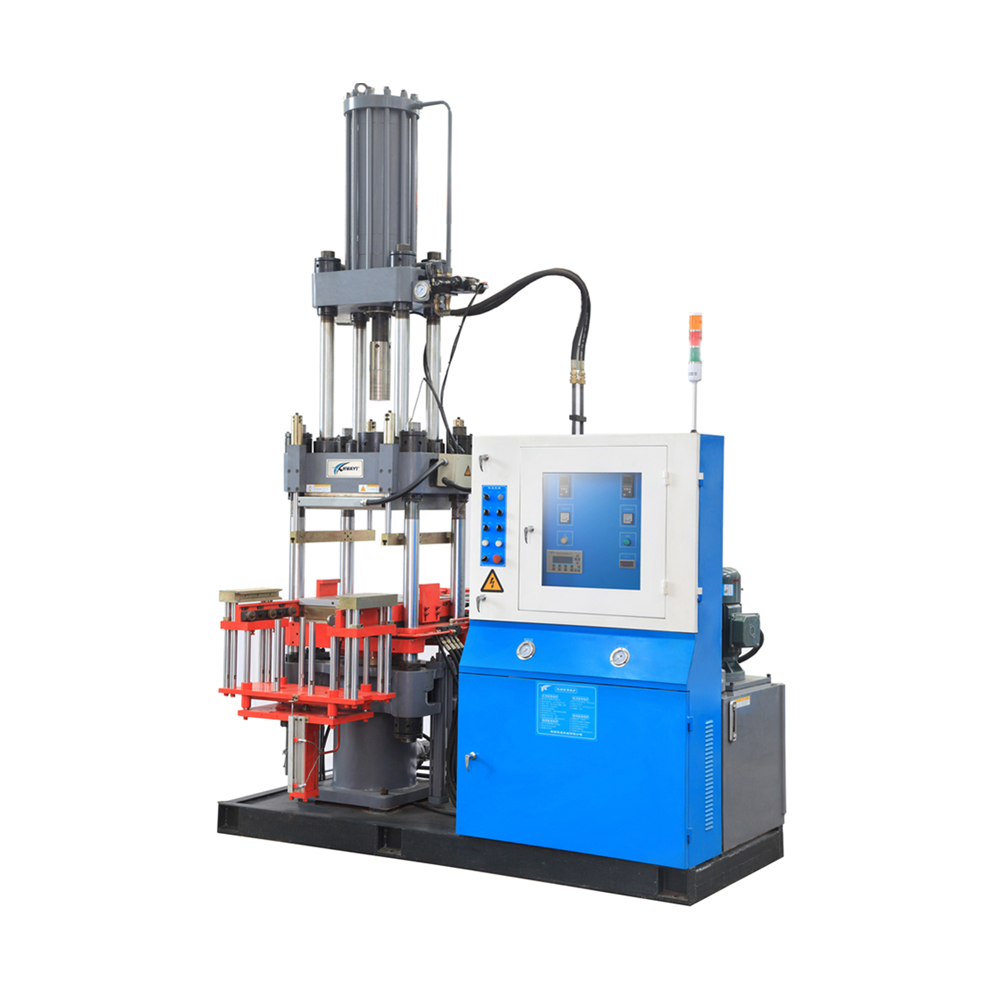
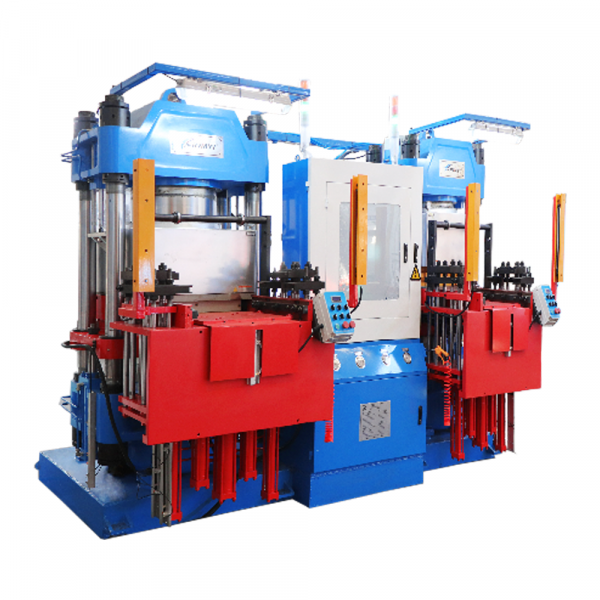
Right then — when you put a modular screw-and-barrel setup alongside a fixed assembly, the differences show up quick in colour handling and compound swaps. Modern shops that need tight pigment control often pair modular tooling with precise metering in the injection unit, cutting waste and scrap. That’s why lines that feed into a rubber vulcanizing machine or integrate a vulcanized rubber mold machine prefer modularity: changeovers take minutes instead of hours, shot size consistency improves, and operators get far less carryover between colours.
How modularity improves colour matching
Modular barrels let you match batches without gutting the whole feed line. Swapping a contaminated segment is local and fast, so pigment files and masterbatch ratios remain consistent. In practice this reduces remelt and regrind, and you see fewer off-colour parts on the line. Controlling melt homogeneity in the screw means a steadier viscosity and more repeatable cure time at a given mold temperature — that’s where the real gains come from for LSR parts requiring tight appearance specs.
Compound transitions: process tweaks that matter
Compound transitions are a technical dance — pressure, dwell, and purge strategies must be tuned. Modular screws allow different screw geometries and mixing sections to be trialled without replacing the whole feedtrain. That gives manufacturers finer control over shear and degassing, which in turn keeps volatile carryover down when shifting between a black compound and a pale one. Keep metering consistent, and the vulcanization profile stays predictable across batches.
Common mistakes and how to avoid them
Many outfits rush changeovers and rely on brute-force purging — large scrap piles are the usual fallout. Smaller errors matter too: using mismatched screw length or forgetting to adjust backpressure can spoil colour runs. Gear the purge and pre-purge volumes to the actual shot size, and document a repeatable sequence for each pair of compounds. Maintain injector seals and check the feed throat for residue; regular checks on cure time versus mold temperature prevent surprises.
Real-world anchor: a Gloucestershire shop’s lesson
I saw a medium-sized moulding shop in Gloucestershire rework their lines after a nasty batch of two-tone gaskets cost them a client. They shifted to modular barrels and introduced step purges with quantified shot counts — productivity climbed and rework dropped by a sensible margin. The change was guided by straightforward metrics, not fancy promises: fewer colour rejects, lower cycle scrap, and steadier shot-to-shot weight. That practical fix reflects what many CE- and FDA-focused suppliers demanded during the 2020 medical surge: consistent LSR performance under pressure.
– A little aside: don’t overcomplicate the purge sequence — simpler usually wins.
Practical guidance and final measures
Three golden rules for choosing systems and setting up process controls: 1) Measure colour carryover in units of shots and set purge counts accordingly — baseline this for each compound pairing. 2) Match screw geometry to the compound’s viscosity and required shear; document cure-time changes against mold temperature after any swap. 3) Use modular segments to isolate problem zones, and keep a small inventory of common barrel modules to cut downtime. These metrics give you clear, repeatable decision points when a line needs tuning.
HWAYI makes modular solutions that fit these rules — sensible kit, plain evidence of reduced downtime and better colour control. Practical, sorted, and right for shops that need consistent LSR output. —