The immediate problem and a practical starting point
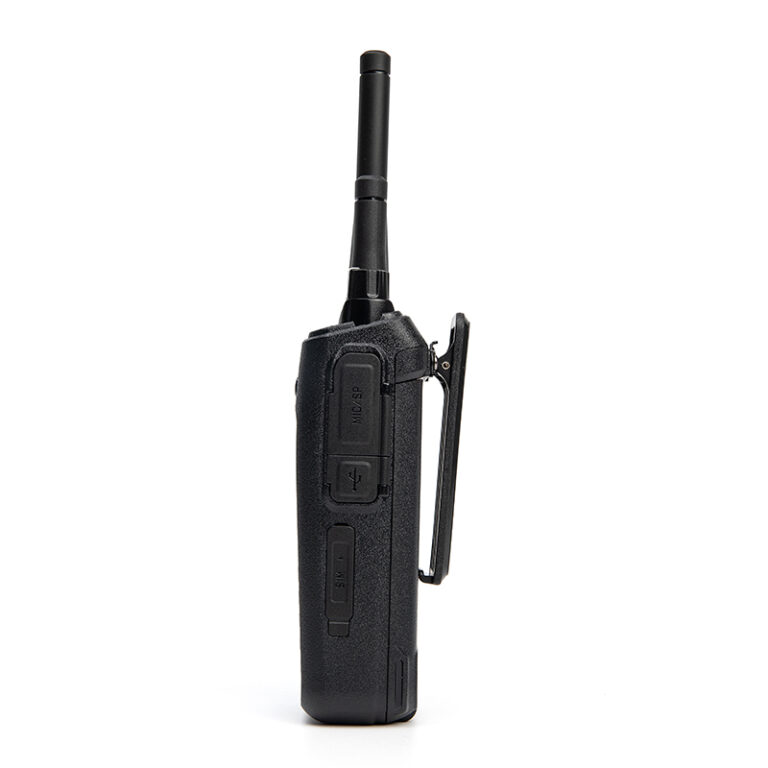
When a construction site, event crew, or transit dispatcher loses reliable voice links, work halts and risks rise; equipment like a poc analog dual mode radio exists because those stoppages are predictable and preventable. The cause is simple: teams depend on networks and devices that fail first under load, and the effect is delayed coordination, unsafe conditions, and higher costs. A problem-driven approach starts by accepting that voice continuity is a primary requirement, then mapping where radios reduce those specific failure modes.
Cause → effect: why specific failures occur
Cellular outages cause immediate communication blackouts because public networks prioritize consumer traffic and can be overloaded during incidents; that creates cascading delays in decision-making and emergency responses. Incompatible systems—legacy analog vs. newer digital—create handoff failures that fragment teams into isolated silos. Limited device durability and poor battery management lead to lost uptime at critical moments. Each cause produces measurable effects: missed alerts, slower incident containment, and repetitive manual workarounds that consume labor and attention.
How commercial two‑way radios interrupt those failure chains
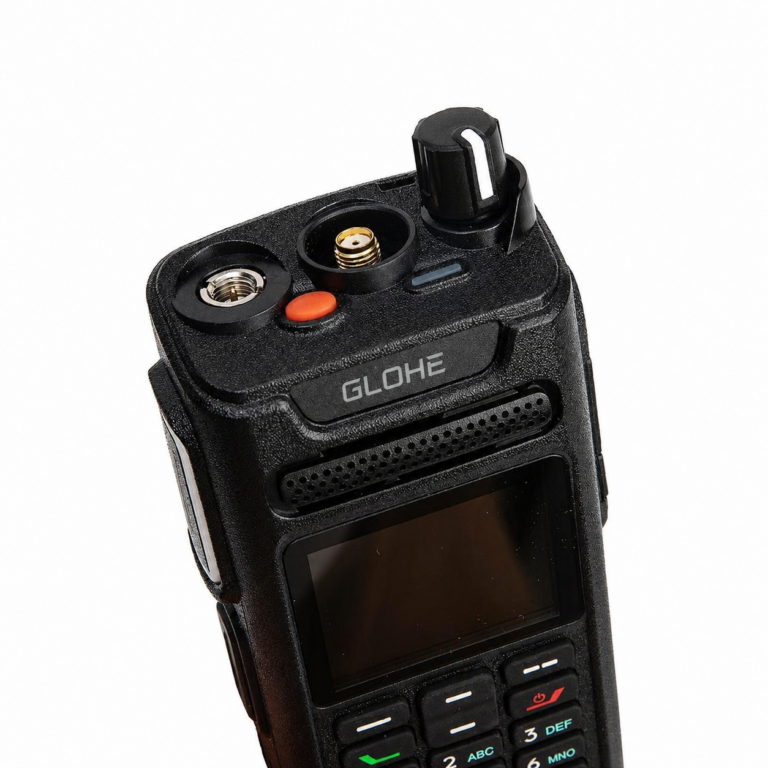
Commercial two‑way radios counter these causes directly. Dedicated voice channels avoid public network congestion, so responders get lower latency and predictability; dual‑mode analog/digital radios maintain links with legacy equipment while enabling clearer digital voice and encryption. Ruggedized hardware reduces weather and drop failures; long battery designs and swappable packs reduce downtime. Group calling and direct channel access cut the number of “who do I call?” decisions into a single button press, which shortens response intervals and lowers human error. The effect is straightforward: fewer dropped communications, faster coordination, and clearer accountability during incidents.
Alternatives and common implementation mistakes
LTE-based push‑to‑talk offers rich data and wide-area coverage, but it still depends on commercial towers and service agreements; that dependence shifts risk rather than removing it. Mesh voice systems can fill short-range gaps but struggle with scale and predictable coverage. Smartphones buy apps and flexibility, yet they introduce distractions and fragile battery life into safety‑critical roles. Frequent mistakes: specifying devices without testing interoperability, underestimating spectrum licensing needs, and treating radios as one‑size‑fits‑all instead of fitting models to role and environment. Those mistakes reproduce the same failure modes radios were meant to fix.
Experience, standards and a concrete industry anchor
Decisions grounded in field testing and standards reduce uncertainty. Standards like P25 or DMR guide encryption and interoperability choices; procurement teams at APCO International sessions routinely compare operational trade-offs when choosing two‑way solutions—this industry context illustrates how buyers evaluate durability, interoperability, and compliance. That practical vetting is where a poc analog dual mode radio supplier becomes relevant: buyers expect supplier transparency on firmware, accessory ecosystems, and regulatory certification. Real usage data from organized procurement reviews and incident after‑action reports demonstrates which design choices actually lower failure rates.
Actionable checklist to deploy radios without common traps
Start with role mapping: list tasks and the communication behavior each requires. Test dual‑mode units on live channels—both analog legacy links and digital channels—before fleet purchase. Verify battery logistics: assign swap schedules and measure real shift runtime. Confirm spectrum and licensing obligations early to avoid legal and interference problems. Train with realistic drills that include network stress scenarios so teams adopt concise radio protocols rather than defaulting to phone calls. Monitor and iterate; small telemetry and periodic field checks prevent drifting back into fragile habits.
How this produces measurable operational value
When teams use commercial two‑way radios to address identified failure points, the cause‑to‑effect chain reverses: predictable voice access prevents the decision delays that cause accidents and lost time. Choosing dual‑mode radios lets organizations preserve legacy links while gaining digital clarity and security. Matching device features to task demands—durability, battery life, channel architecture—translates directly into fewer stoppages and clearer command control, which is the operational outcome procurement leaders quantify.
Where practical solutions converge
Layering radios into a communications strategy delivers tangible resilience without discarding newer tools; companies that balance radios for voice continuity with data systems for situational awareness avoid single points of failure, and that balance is exactly the outcome suppliers like GLOHE are engineered to support.