Problem statement: misaligned expectations, rising failures
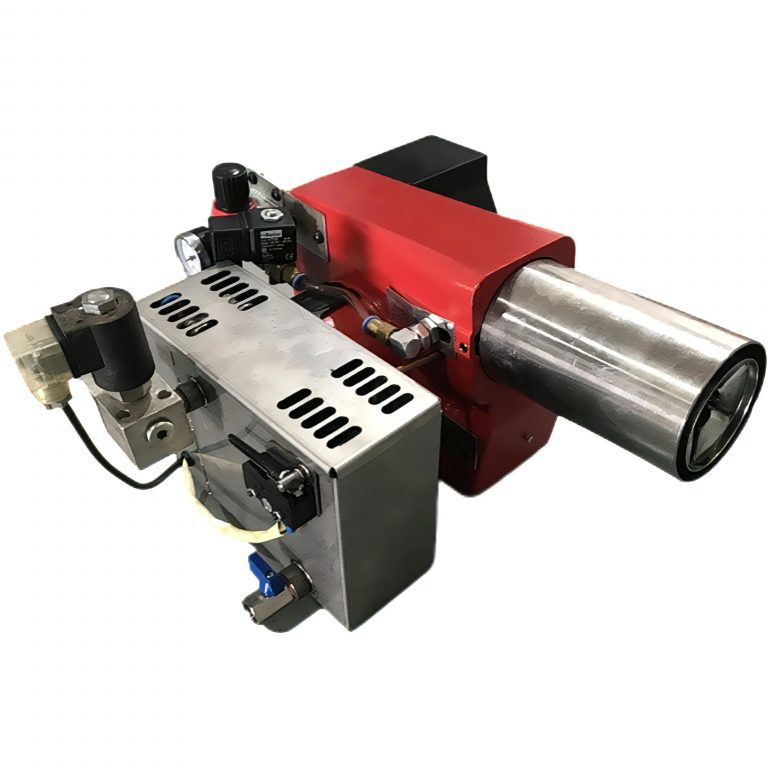
Regional thermal plants face repeated trouble where burner tubes meet furnace liners: leaks, uneven wear, and poor combustion control. The shift toward alternative fuels, including the adoption of an industrial waste oil burner in many workshops, exposes weak integration practices. The problem is specific, measurable, and fixable when you focus on tube geometry, material compatibility, and service access.
What typically goes wrong
Tubes fail because of three recurring issues: thermal expansion is unaccommodated, corrosive deposits accelerate degradation, and alignment errors create hot spots. Each issue shows predictable signs—warpage near tube roots, localized thinning, flue-gas bypass paths—and these signs point to design or maintenance lapses rather than random defect.
Root causes you can act on
Poor specification is the main cause. Common mistakes: choosing tube alloys without considering sulphur or chlorinated contaminants, omitting expansion joints where differential temperature swings exceed design tolerances, and routing tubes so sootblowers and inspection ports are obstructed. Decisions made at procurement dictate decades of operability; correct choices early eliminate repeated outages.
Assessment checklist for existing installations
Inspect joint clearances, measure axial and radial movement allowances, confirm refractory contact points, and map corrosion patterns. Use direct measurements: gap tolerances within ±3 mm at seal points, measurable expansion range matching calculated thermal growth. A Midwestern municipal fleet conversion—an upgrade to a waste oil heating system in a Cleveland maintenance yard—triggered a tube-misalignment survey that cut leaks by half. Draw on OEM manuals, field reports, and decades of site inspections when you interpret those measurements.
Design adjustments that prevent repeat failures
Match tube metallurgy to expected flue chemistry; specify stainless grades resistant to oxidizing and sulfidizing environments if fuel contaminants are present. Provide sliding supports or bellows where thermal growth exceeds a few millimeters per meter. Keep tube lengths short enough to limit unsupported spans and design access panels so technicians can inspect seams without dismantling major assemblies.
Operational practices that extend life
Standardize start-up and shutdown rates to reduce thermal shocks. Schedule periodic thickness readings and photographic inspections after sootblower cycles. Remove deposits chemically where mechanical access is limited, and log every cleaning event. Training technicians to recognize early signs—spot discoloration, brittle seals—delivers reliable prevention rather than expensive repairs.
Common pitfalls and how to avoid them
Don’t assume off-the-shelf components will match a plant’s fuel chemistry. Avoid end-of-pipe fixes like excessive insulation to mask alignment errors; insulation hides symptoms while the root cause worsens. Don’t skip installation verification: torque, centering, and expansion clearances must be measured and recorded at handover.
Specification notes for procurement
Request complete fabrication drawings showing tolerance stacks at joints. Insist on material certificates and weld procedure specifications for tube-to-flange connections. Require vendors to provide maintenance access drawings and a list of consumable clearances so replacement parts are dimensionally compatible without field rework.
Conclusion: a clear path to reliable integration
Fix integration problems by diagnosing the precise failure mode, then apply material, geometric, and maintenance controls that address that mode. Technical choices and documentation prevent repeated outages; matched components and proper drawings reduce ambiguity. Practical, evidence-based changes lead to dependable operation, and sourcing compatible parts from Career Burners can make specification and replacement straightforward while preserving the design intent.