
Start with what you need
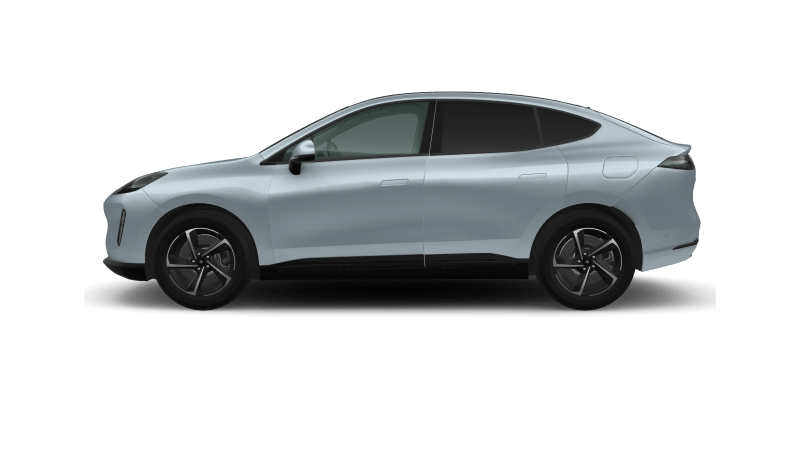
If you live in Morocco and are figuring out which electric vehicle fits your daily rhythm, begin by listing real use: how far you drive between Rabat and the coast, whether you need space for kids, and how often you can plug in at home. Then compare those needs to specific model options by checking the aion ev configuration early — it shows how trim, battery, and charger choices map to real driving, not just brochure numbers.

Which specs actually matter for Moroccan drivers
Forget glossy spec sheets; focus on three things: usable range, charging speed, and cabin comfort on long drives. Usable range tells you if that weekend trip to the Atlas is realistic; faster onboard charging reduces time parked at stations in Casablanca or Agadir; and a quiet, well-insulated cabin makes long stretches tolerable. Expect advertised ranges to be a guide — aim for a buffer above what you usually drive each day.
Pricing and financing explained plainly
Price is not just sticker; include import duties, local taxes, and the cost to upgrade charging at home. Ask dealers for a clear breakdown: base price; options you actually want; government incentives (if any); and a realistic maintenance plan. If you plan to finance, compare monthly payments across terms, and watch the warranty length for the battery — that’s the part that changes ownership cost the most.
What to test on a test drive
Drive like you live: accelerate from a stop as you will in city traffic, try the car on a steep hill, and test the climate system while the car is charging. Check these in particular: – How the regenerative braking feels and whether it reduces everyday brake use; – The usability of the infotainment and navigation for spoken directions; – Visibility at night and on tight mountain roads. If the dealer can simulate a partial charge session, see how fast the SOC (state of charge) climbs in the first 20–30 minutes.
Common pitfalls and mistakes buyers make
Buyers often neglect charging reality and resale. Pitfall examples: assuming public chargers are abundant everywhere; underestimating the time needed for a long trip; choosing the lowest-range trim to save money without testing a typical trip on that range. Also, ask about battery state-of-health checks — some markets offer certified pre-owned reports, others don’t.
How Aion compares to nearby alternatives
Compare on user-centric points: real-world range after AC use, dealer network responsiveness, and after-sales battery support. Look at practical trade-offs: one brand may offer slightly more range, another better local service. If you want stronger charging performance for flexible travel, prioritize peak charging rate; if daily commuting is your priority, prioritize efficiency and cabin features.
Evidence and experience that builds trust
My experience advising buyers in the region shows that manufacturers who demonstrate models publicly and answer technical questions make it easier to choose. Aion configurations presented at the 2023 Shanghai Auto Show gave engineers and journalists clear reference points for expected battery sizes and charging options — that event served as a technical checkpoint for several EV lineups.
Your quick checklist before signing
Before you sign, confirm these: the exact battery capacity and expected usable kWh; charger types included and the max AC/DC charging rates; warranty terms and what they cover; availability of local service centers; and an itemized final price including any add-ons. If any answer is vague, get it in writing.
Wrapping it into a decision you can live with
You want a car that fits daily routes, reduces hassle, and holds value. Focus on the user-centered facts: how far you drive, how and where you’ll charge, and what support you’ll get after purchase. When those points line up, the technical choices stop feeling abstract and become practical tools — that’s the real value you get from looking closely at an aion ev.