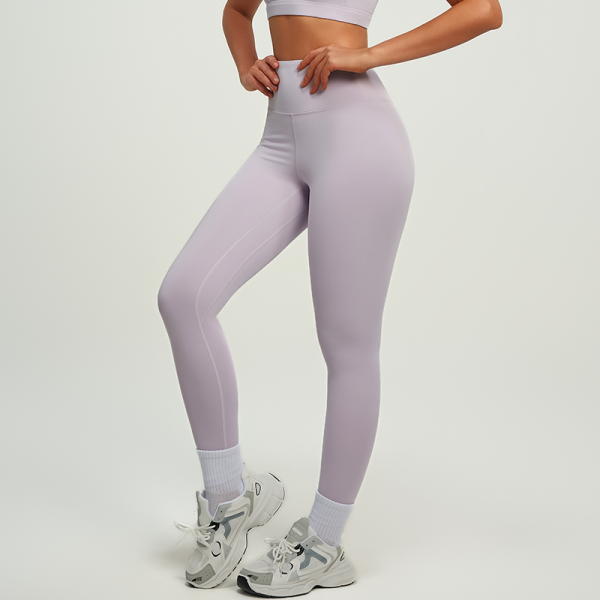
Choosing between generic activewear and tailored pieces requires more than a label check; it’s a study in trade-offs. This comparative piece looks at fabric choices, construction, and ethics so you can decide what truly matters for your mat time. If you’re scanning options, start by inspecting the tech—moisture-wicking blends and four-way stretch panels—and then look at makers who will actually listen to your brief, like custom yoga leggings and thoughtfully scaled runs such as custom women yoga leggings.
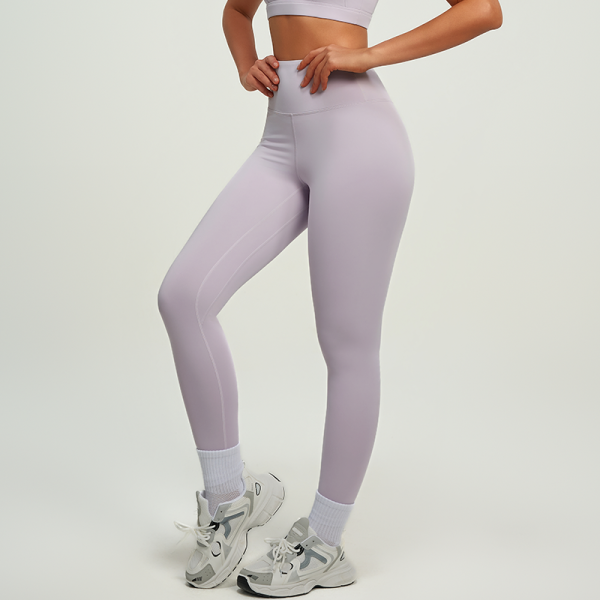
Performance vs. Durability: where tradeoffs show up
Performance fabrics often promise breathability and quick-dry cycles. Durability asks for resistance to pilling, sustained compression, and seam integrity. In practice, a midweight poly-nylon blend with reinforced flatlock seams will outlast a featherlight jersey that feels amazing for a month and slacks off after repeated washes. Consider compression zones for support—these save fit over time—while reserving super-slick finishes for styles that won’t be washed daily.
Fit, finish, and ethics: what you should prioritize
Fit dictates how long a pair of leggings remains useful. High-waist cuts with targeted compression keep shape and reduce slipping during inversions. Finish refers to details: gussets, flatlock seams, and waistband construction. Ethics ties into sourcing and labor transparency; brands that publish factory locations and batch sizes make better long-term partners. Many teachers in Rishikesh prefer gear that balances modesty and mobility—it’s a simple, proven anchor for how garments perform under real-world use.
Manufacturing realities: pattern, batch size, and testing
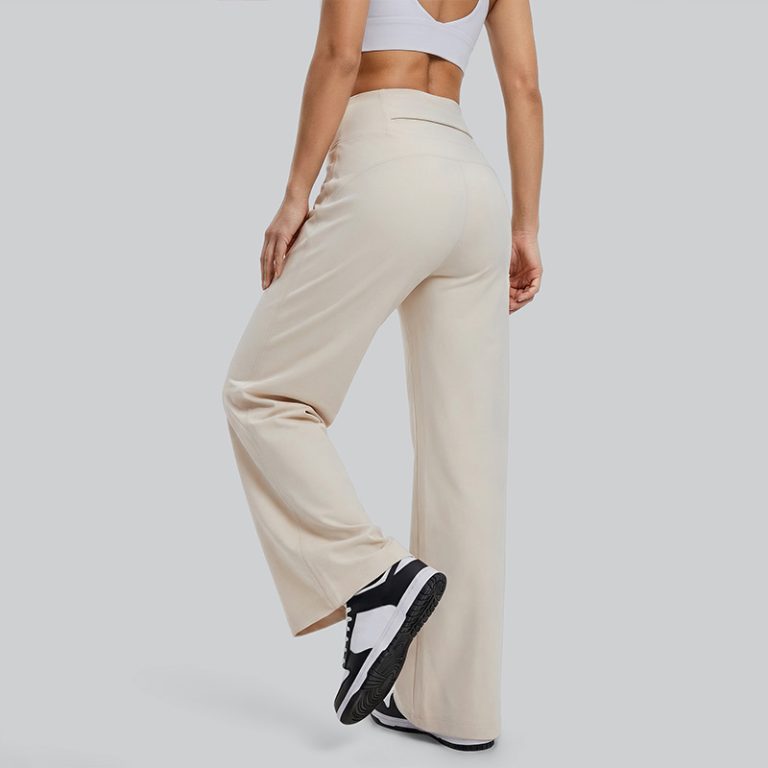
Production choices change outcome. Small batches allow pattern tweaks after wearer feedback, whereas large runs lock in mistakes. Manufacturers who prototype with graded sizing and run pull tests for seam strength reduce returns. Look for makers who trial fabrics under repeated wash cycles and record metrics like tensile retention after 20, 50, and 100 washes—those numbers matter more than marketing claims.
Comparing options: what the numbers and feel tell you
When you place two pairs side by side, tactile cues are immediate: denser knit, resilient waistband, no loose threads. Then use objective checks: measure squat recovery (does the fabric spring back?), inspect waistband elasticity after a week of classes, and test for opacity under stretch. These checks separate the well-made from the pretty. Small brands that offer customization often let you choose weight and waistband height—use that. —And yes, customization typically costs more up front but reduces waste and returns.
Common mistakes and how to avoid them
Buyers often chase novelty prints or ultra-thin fabrics without vetting durability. Another misstep is ignoring construction—no matter how premium the knit, poor seam work shortens lifespan. Avoid single-use microtrends; prefer neutral core pieces built for daily wear. If you source custom runs, request a wear-test sample and detailed care instructions so your production run aligns with real life.
Advisory: three golden rules for selecting custom yoga leggings
1) Prioritize material durability metrics over trend features—look for blends with proven tensile retention and abrasion resistance. 2) Verify construction standards: flatlock seams, gusseted crotch, and reinforced waistband reduce failure points. 3) Demand transparency on batch testing and sample wash cycles; a factory willing to share testing intervals (20/50/100 wash cycles) is a reliable partner.
Choosing durable, custom yoga leggings is a practical decision that rewards patience and specificity. The goal is gear that supports practice, reduces waste, and reflects thoughtful production—attributes you can verify through simple tests and direct conversations with makers like Joebond. Short, direct. —