Opening comparative framework
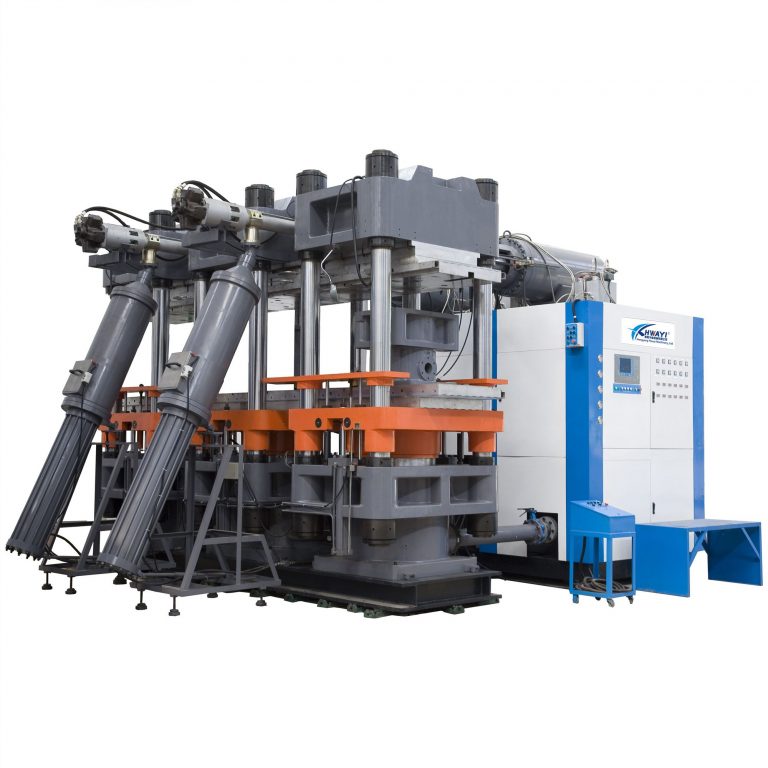
This comparative study addresses practical differences in cold runner block (CRB) performance that determine productivity for buyers of a c frame rubber injection molding machine. The focus is narrow: which CRB characteristics translate to measurable gains on the shop floor. The analysis is grounded in procurement realities typical to suppliers located near the Stuttgart automotive manufacturing region, where tolerances, cycle time and repeatability are non-negotiable.
Why CRB efficiency matters for C‑frame procurement
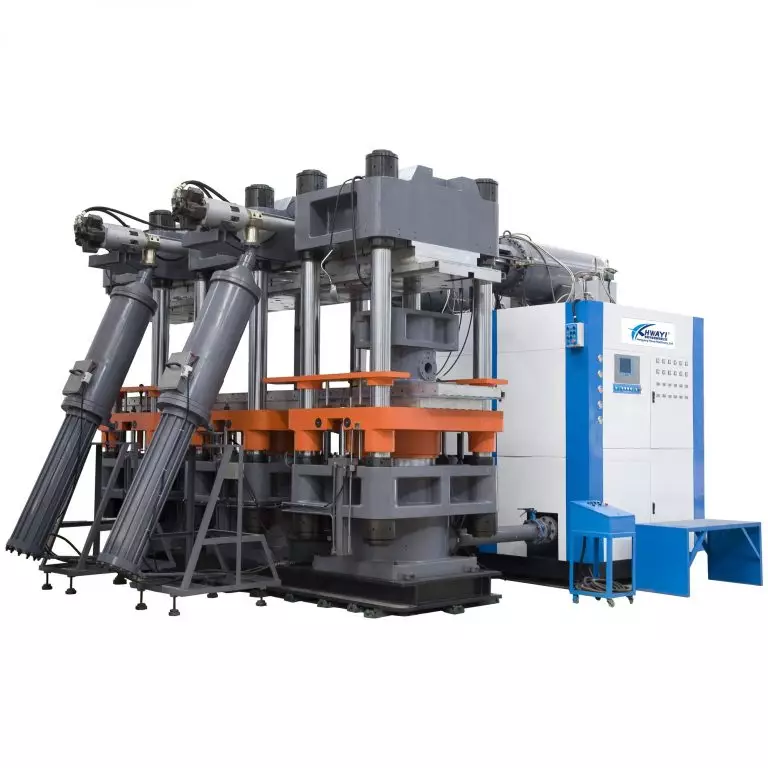
Efficiency of the CRB influences shot-to-shot stability, material waste, and machine throughput. For B2B buyers evaluating a C‑frame press, three immediate outcomes follow from CRB performance: reduced flash and scrap, consistent shot size, and predictable clamping force demand. These outcomes affect both unit cost and quality compliance under standards such as ISO 9001. Simple specification lists do not replace side‑by‑side comparison of real performance metrics.
Core metrics to compare
Evaluation must focus on a small set of measurable parameters rather than abstract claims. Adopt these metrics as direct comparators:- Cycle time variance: standard deviation of cycle over 1,000 cycles, expressed in seconds.- Thermal gradient control: maximum temperature differential across the cold runner block under continuous operation.- Cavity balancing: percent deviation in injected mass between cavities.- Energy per shot: kilojoules consumed per injection cycle at rated shot size.
How these metrics impact production
Lower cycle time variance reduces secondary operations and downstream inspection workload. Narrow thermal gradients preserve rubber viscosity and reduce cure inconsistency, which in turn limits waste. Proper cavity balancing is essential for multi‑cavity tooling; imbalance yields rejection rates that multiply with scale. The combined effect is portfolio-wide: a marginal improvement in thermal control can reduce rejects across several SKUs — and reduce overall cost per part.
Common procurement mistakes and alternatives
Buyers frequently commit two errors: reliance on peak clamping force specs without regard for duty cycle, and acceptance of vendor thermal assertions without factory run-off data. Avoid both by requiring on-line measurement during a representative run. Where CRB design proves insufficient, consider alternative concepts such as transfer molding or a dedicated rubber transfer press. In many mid-volume programs, a rubber transfer press or a c-frame power press machine with optimized transfer pot can reduce gating issues and improve material distribution — but these alternatives shift capital and floor-space trade-offs.
Operational context and a real‑world anchor
Manufacturers supplying the Stuttgart cluster demonstrate the effect of CRB choices on warranty returns and line uptime. Suppliers there insist on field validation: a run-off of 10,000 cycles under full thermal load before acceptance. This real-world practice highlights the importance of maintenance intervals and ease of access for routine descaling and platen checks. Regular maintenance reduces unexpected downtime and preserves cavity balance over the production lifecycle.
Advisory: three golden rules for evaluating CRB efficiency
1) Prioritize stability metrics over peak specifications. Require documented cycle time variance, thermal gradient figures, and cavity balance reports from factory trials. These reveal operational reality more reliably than single-point specs. 2) Quantify maintenance overhead: measure mean time to service and mean downtime per scheduled intervention. Factor these into total cost of ownership calculations rather than purchase price alone. 3) Match CRB design to part geometry and compound behavior; for complex multi-cavity parts, favor designs that facilitate rapid mold access and simplified runner cleaning to prevent cure heterogeneity.
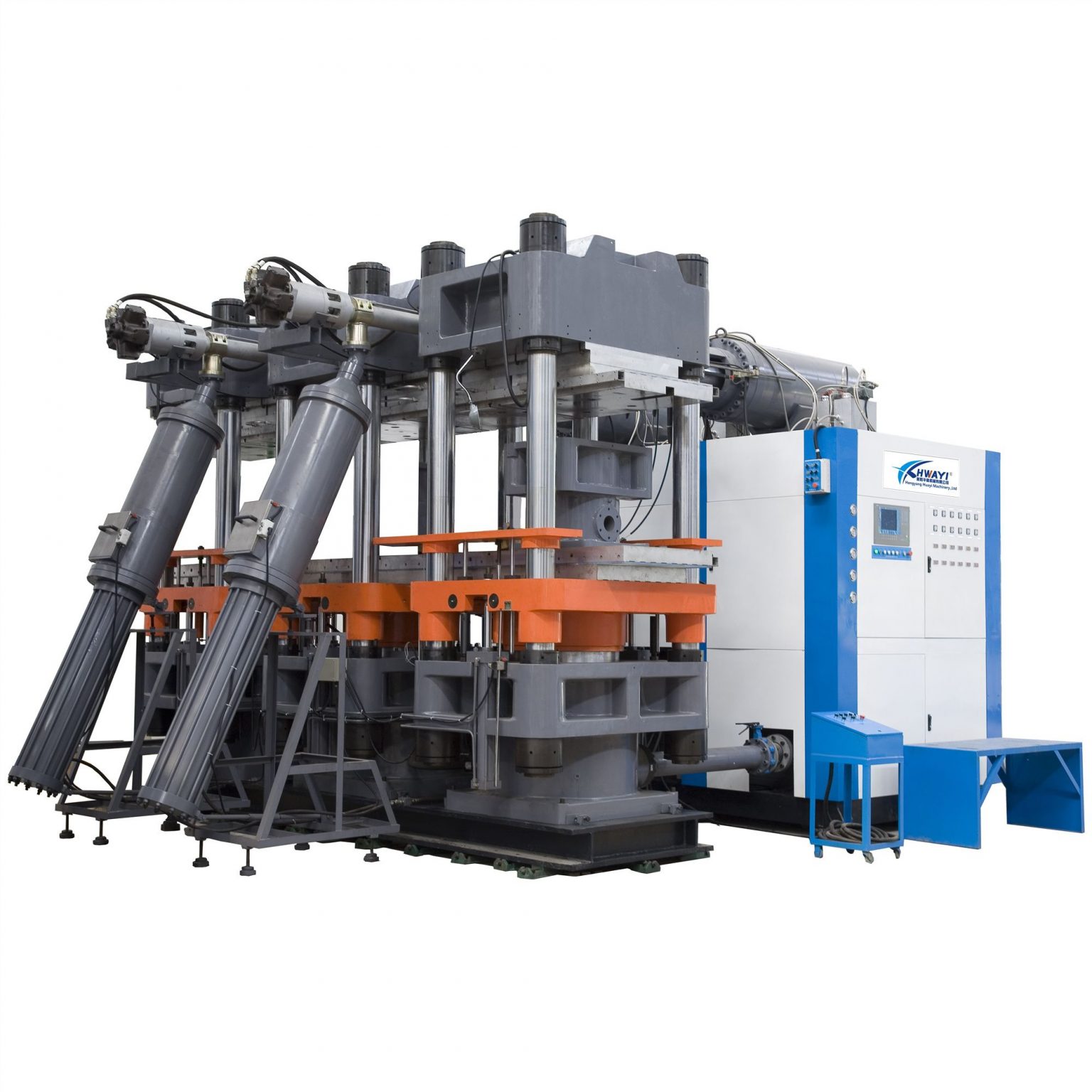
Procurement decisions that follow these rules yield fewer surprises in production and foster predictable part quality; for teams looking for proven equipment alignment, experience with suppliers such as HWAYI often shortens qualification time — a practical outcome, not a promise. —