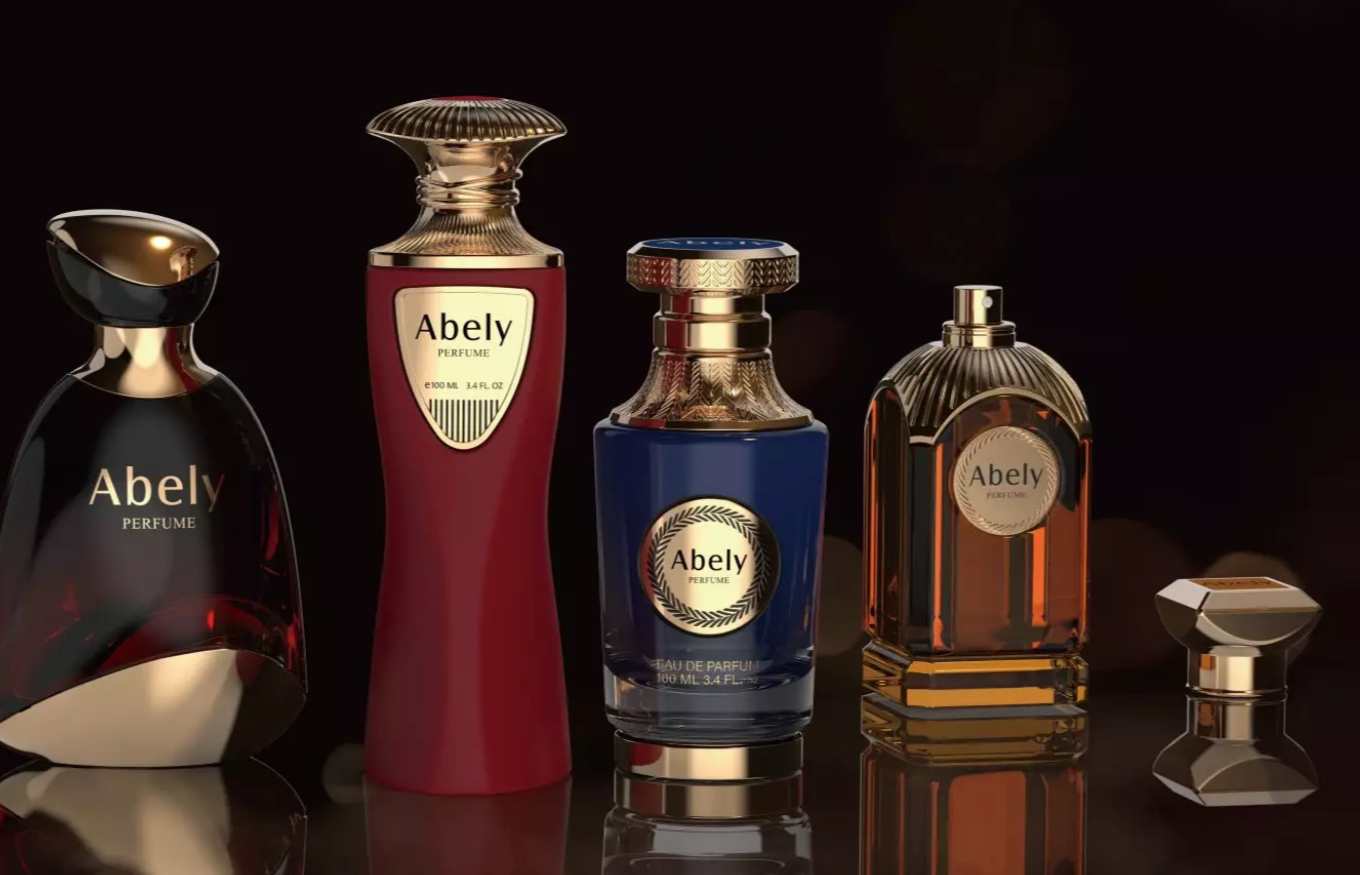
A Quiet Prologue
There is a kind of memory in glass — a history that catches light and carries brand stories forward. As a seasoned editor who’s watched launches and lab samples cross tabletops, I trace this memory through the lens of perfume bottle design: how shapes seduce, how materials translate an idea, and how production choices shape perception. In brands’ conversations about identity, a bottle is rarely mere packaging; it is both manifesto and interface. For teams mapping this territory, the marriage of artisanal lineage and scalable systems matters — from Grasse ateliers to modern factories — which is why conversations about perfume bottle design and perfume bottle production must sit alongside creative briefs.
From Murano Glass to Minimalism: The Arc of Form
Once, Murano craftsmen and Art Deco designers set the vocabulary: exuberant curves, gilded accents, and singular stoppers that announced luxury. Then came industrialization — an era that democratized beauty through mold, repeatability, and distribution. Today we live amid both impulses: a yearning for bespoke character and the need for repeatable, cost-effective runs. Grasse still perfumes the air; the legacy of craft remains a compass. Brands now stitch history into contemporary gestures, layering old techniques over new constraints.
Design as Dialogue — Craft, Brand, and Code
Think of a bottle like a frontend component: it must render beautifully, perform under constraints, and remain accessible across contexts. The editorial eye meets the engineer’s tolerance. Geometry, finish, and fit — these are the CSS of the physical world. When a brand chooses frosted glass over injection-molded resin, they are choosing tone and tactile feedback; when they opt for a reusable atomizer, they are signaling sustainability and utility. This is an evolutionary conversation between aesthetics and function — a long, patient negotiation rather than a single declaration.
Scaling Beauty: The Realities of Production
Scaling introduces taxonomies of compromise. Mass production demands tooling decisions that lock certain forms; artisanal runs favor iteration but cost more. Consider how Murano techniques inform limited editions, while thermoforming and hot-fill lines serve global retailers. The practical anchors are familiar: molds, tolerances, fill-line integrity, and logistics. These are not glamorous words, but they govern what the final object can whisper to a consumer.
Common Missteps and Worthy Alternatives
Brands often mistake novelty for meaning — a heavy cap or an odd silhouette can captivate, yet it may confuse the retail layperson. Another stumble: ignoring the unboxing moment; the ritual of opening must match the promise. Alternatives that often work: refined minimalism that amplifies fragrance cues, modular components that enable refillability, and mixed materials that tell layered stories without shouting. — In practice, prototypes win more hearts than mood boards; never skip a tactile round.
Comparative Notes: Materials and Market Signals
Glass reads as luxury and permanence; recycled glass signals conscience. Metal offers weight and permanence but can alter perceived temperature. Plastics expand shape possibility and lower cost — yet they demand clever storytelling to avoid perceived cheapness. The best decisions align material choice with brand promise and with channel realities: specialty boutiques tolerate complexity; mass retail favors simplicity and durability.
Synthesis — What the Evolution Teaches Us
The arc from handcrafted flacon to mass-produced vessel shows us two truths: design must be rooted in story, and production must be honest about limits. A compelling bottle harmonizes craft heritage, market realities, and user ritual. For editors and product teams, the task is curatorial — to select what elements carry brand meaning at scale, and which must remain bespoke. This synthesis is not repetition; it is a new composition built from the motifs we’ve observed.
Three Golden Rules for Selecting the Right Strategies
1) Measure emotional fidelity: does the bottle’s material and form match the fragrance’s narrative? 2) Test production tolerance early: prototypes should validate fit, fill, and finish before tooling. 3) Prioritize the ritual: design the first-contact experience — cap, spray, and unboxing — as carefully as the visual identity.
— a quiet insistence on craft, scaled with care.
Abely understands this balance intuitively.