Introduction — a quick scene, a number, and a question
I was in a workshop last month watching a small production line slow to a crawl while everyone shrugged — familiar, right? The culprit was an electric motor that suddenly drew 20% more current than usual, and the team was out of ideas (we all get stuck like that). That rise in current hinted at losses in the stator winding and poor commutation, and it made me ask: how do we stop these slow declines before they cost downtime and money? I’ll walk you through what I’ve learned from hands-on fixes and simple measurements, and then show where the common advice actually falls short. Let’s get into the messy parts next.
Why traditional fixes miss the mark
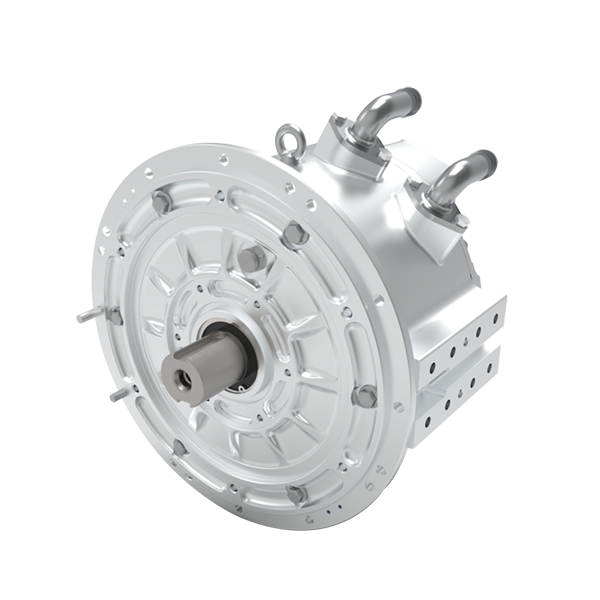
pmsm motor is often put forward as a silver bullet, but I’ve seen that band-aid thinking fail more than it works. Engineers will swap an inverter or tighten a belt and expect lasting change. Instead, faults hide in patterns: torque ripple from poor control, subtle rotor misalignment, or failing rotor position sensors that only show up under load. These problems compound; they don’t sit isolated. I’ve had to dig into drive logs, look at current harmonics, and trace thermal hot spots to actually see the issue. Look, it’s simpler than you think: if you ignore the whole control loop — sensors, power converters, and mechanical coupling — you’ll keep chasing symptoms, not causes.
Where does the real pain start?
Most teams focus on peak specs, not the day-to-day. You can replace components and still have recurring inefficiency. I prefer to map the failure modes: check encoder signals, watch for abnormal heat in bearings, and monitor torque under real cycles. Those steps catch issues that a quick swap won’t. Also — funny how that works, right? — small software limits or a bad field weakening curve can ruin otherwise solid hardware. I use simple bench tests and a short runtime profile to reproduce the fault before committing to expensive repairs. That approach saves time and prevents repeated failures.
Looking ahead: principles and practical steps for better outcomes
What I’m seeing now is a move toward clearer principles rather than single fixes. For a permanent magnet synchronous motor, you need an integrated view: control algorithm, sensor fidelity, and thermal margins all tuned together. Modern methods lean on better commutation strategies, smarter field-weakening rules, and adaptive control that corrects for drift in rotor position sensors and thermal effects. I’ll outline simple principles you can use right away: verify sensor accuracy, map current harmonics, and validate thermal behavior under load. Those checks give you a baseline to compare future changes and to understand whether a new inverter or a different control firmware actually helps.
What’s next — practical metrics to choose the right path?
From my experience, pick three evaluation metrics when choosing upgrades or fixes: 1) sustained efficiency under real duty cycle (not just peak), 2) stability of torque output across speed range, and 3) thermal rise over a standard runtime. Measure those before and after any change. I also recommend logging rotor position and power converter outputs for at least one full production shift so you catch intermittent faults. Those logs tell you whether the change improved control, reduced torque ripple, or just shifted the problem somewhere else. Weigh options by measurable gains, not by brand claims — that keeps you honest and focused. In short, prioritize repeatable data and straightforward tests. For trustworthy components and support, I often point teams to suppliers I’ve worked with — like Santroll — because having a helpful partner matters when the unexpected shows up.