Introduction: Defining the Real Bottleneck
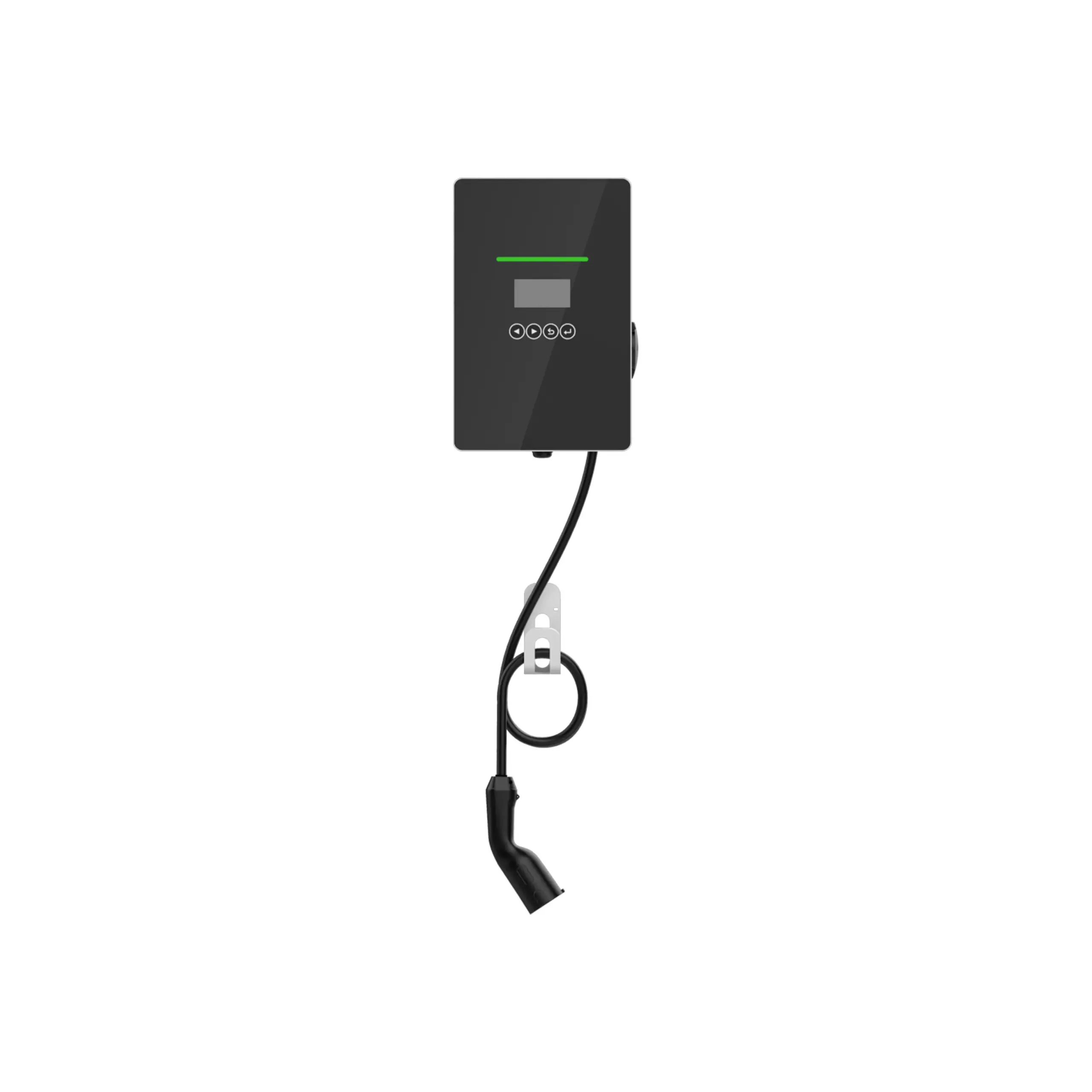
Let us define the core idea plainly: power rate is not the same as throughput. The 120kw EV charger sits at a useful midpoint in public infrastructure, but its performance depends on context, not rating alone. Picture a rest stop at dusk, four bays full, two cars waiting, and one driver refreshing an app—watching the queue grow. Reports show that average dwell time can stretch 20–35% during evening peaks, even when the grid connection looks strong on paper. Why do chargers that read “120 kW” still slow down in the field (and why does it feel worse when you are late)? The answer hides in site design, thermal policies, and upstream limits that users never see.

To move from label to lived experience, we must compare how systems behave under real load, not ideal lab curves. Here is where design choices shape outcomes—let us step into them.
Hidden Gaps the Specifications Do Not Show
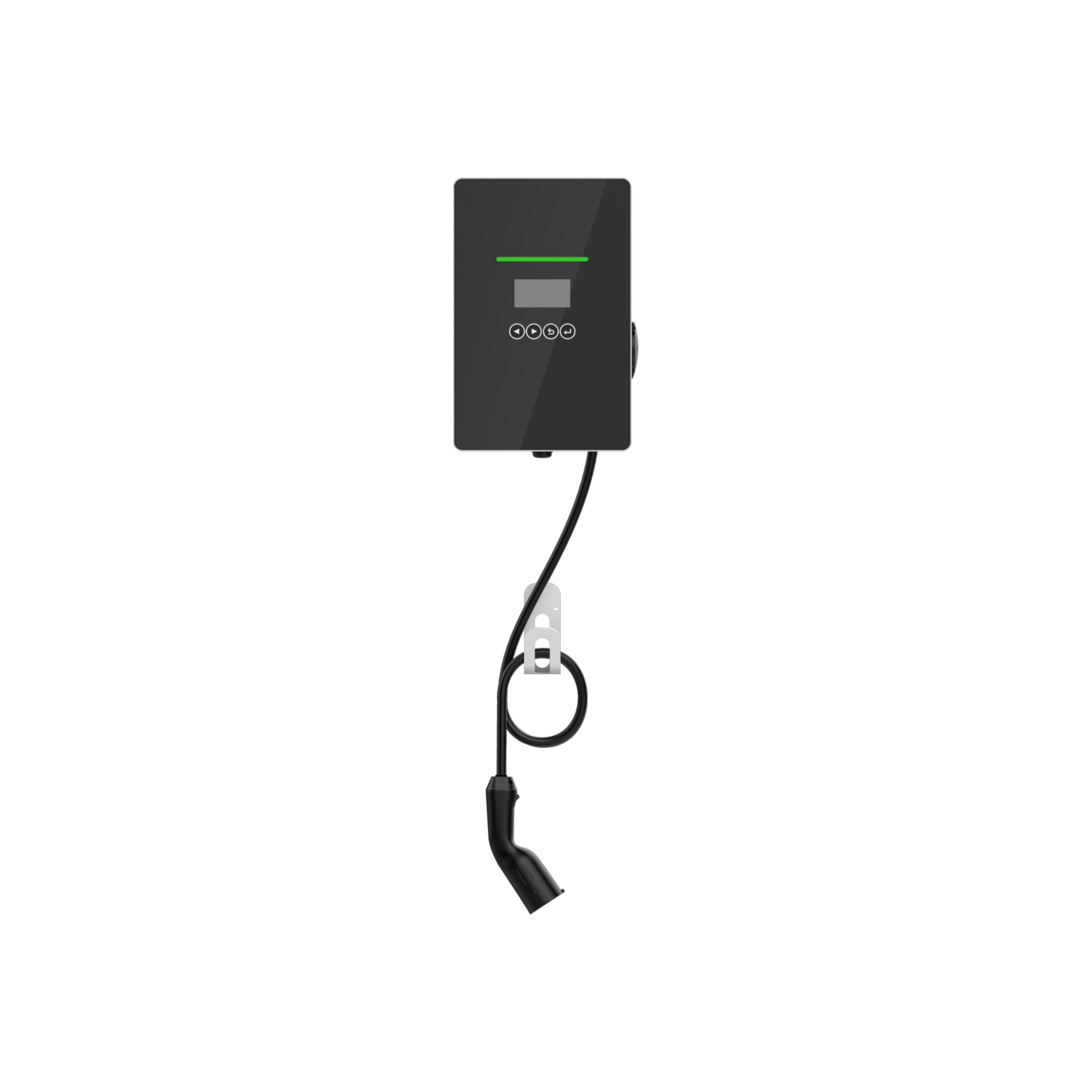
Building on the opening scene, the daily pain is less about the sticker and more about the stack behind it. A site with a 120KW EV charging station can still bottleneck if dynamic load management is set too conservatively, or if thermal throttling arrives early in hot weather. Look, it’s simpler than you think: when two vehicles share a cabinet, the power converters split output, and any one hot module drags the others down—funny how that works, right? Add a feeder that caps total amperage, plus a utility tariff that punishes peaks, and the station software hedges. The result is a polite slowdown that no one announces. Users only see minutes slipping.
Where do queues really start?
They start in the control plane. If the site lacks edge computing nodes to forecast sessions, the OCPP scheduler cannot pre-allocate power intelligently. If cable cooling is air-only, summer heat triggers rollbacks. And if screen flows hide realistic time-to-full, more drivers plug in “just to be safe,” stacking idle time. These are hidden pain points: not enough context on arrival, unclear taper curves, and inconsistent guidance for battery preconditioning. The fix is not only more kilowatts. It is clearer orchestration at the station level, with fair-share logic, better heat paths, and upfront time estimates that match the vehicle’s actual charge curve.
What Better Looks Like Tomorrow
What’s Next
Now compare the current state with what new technology enables. A cabinet built around modular, hot-swappable power stages and silicon-carbide switches can hold a steadier 120 kW without early derate. Liquid cooling keeps cables efficient; smarter firmware shifts current between stalls as taper begins, lifting overall site throughput. Pair that with ISO 15118 Plug&Charge and session prep starts sooner—battery preconditioning lands on time, so peak rate arrives earlier and holds longer. In mixed fleets, a station that understands vehicle charge curves can place cars in the right bay—quietly—so the fast finisher frees capacity first. The same platform can scale to a 150kw DC charger 50 profile when the grid and demand justify it, using the same control logic and cooling loop.
Principle by principle, the path is clear: plan for the site, not the sticker. Battery-buffered designs trim demand peaks; predictive load balancing smooths handoffs between tapering sessions; telemetry feeds back into settings that staff can actually tune. You get fewer queues, truer ETAs, and higher kilowatt-hours per bay per day—and yes, that matters. To evaluate solutions without hype, use three checks. First, stability under heat: measure sustained output at 35–40°C, not a five-minute burst. Second, orchestration depth: ask for evidence of dynamic load management across simultaneous sessions, including logs. Third, transparency: confirm that driver-facing ETAs include the car’s real charge curve and preconditioning state. With these, a 120 kW site behaves like a system, not a promise. For teams seeking a grounded benchmark and future-ready options, see the engineering direction from winline EV charger.