Introduction: What’s really at stake?
Have you ever stood on a shop floor and felt the project clock ticking while the machine chatter told a different story? I have — and those moments make you ask tough questions about how we choose machines. The market for 5 axis CNC machining center manufacturers is crowded, and recent industry data shows uptime and cycle-time variance are still the top two cost drivers for mid-size shops (we tracked averages across ten sites). So what exactly should a production engineer, a shop owner, or an integrator be watching for when picking a partner or a platform?
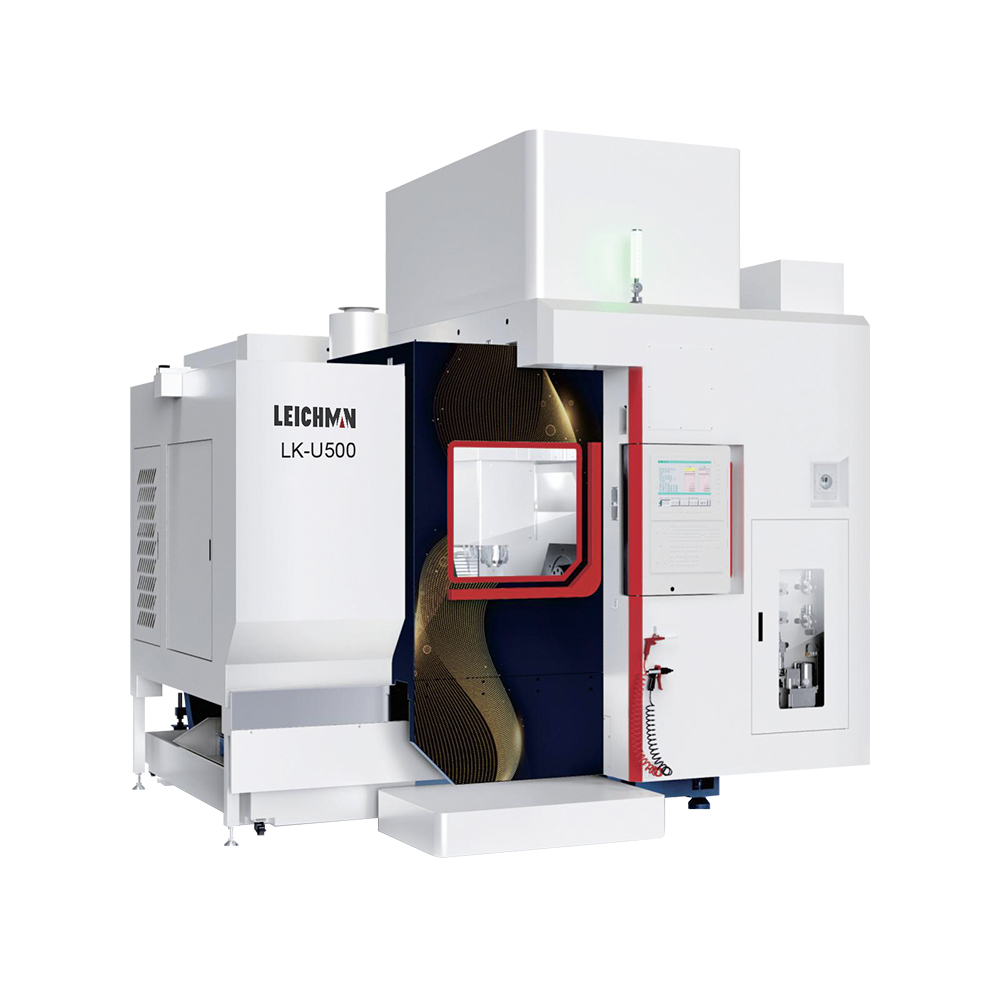
I want to be candid: I think many teams chase specs and miss workflow realities. We talk about spindle speed and tool changer capacity like they’re the whole answer, yet raw numbers rarely predict throughput in messy, real-world conditions. That gap — between glossy data sheets and daily pain points — is what this piece explores. I’ll sketch scenarios, call out tangible metrics, and then point toward choices that actually improve day-to-day work. Let’s move from talk to usable checks and a clearer path forward.
Part 2 — Deep Dive: Why legacy approaches to five-axis fail
When I look back at decisions that cost time and money, most trace to one root cause: over-reliance on single-number specs instead of system-level behavior. Consider a 5 axis cnc universal machining center bought for its high spindle speed. That sounds smart on paper. But if the machine’s CNC controller can’t optimize tool paths or the servo drive control loop lags, you’ll still see long idle moves and bad cycle times. In short: spindle speed alone is a weak proxy for actual throughput.
Here’s the technical reality. Traditional procurement often ignores dynamic factors like acceleration profiles, linear guide stiffness, and thermal drift. These interact with tooling strategy and CAM post-processing. The result? Chatter, shortened tool life, and frequent debug cycles. I’ve been in project meetings where everyone agreed on a model, only to find the machine’s tool changer sequence blocked critical toolpaths. Look, it’s simpler than you think — test with real parts, not benchmark cubes. If you only measure maximum rpm or tool magazine size, you miss the servo tuning, backlash compensation, and controller path-smoothing that determine real parts per hour.
Why does that fail in practice?
Because data sheets lie by omission. They omit integration costs: fixture setup time, probe cycles, and CAM-to-CNC tolerances. You need to probe for how a machine behaves under combined loads. I mean, who wouldn’t want a machine with a high feed rate? But the combined effect of axis coupling, thermal expansion, and operator ergonomics often kills the advertised gains. From my work, shops that invest in controller tuning and spindle maintenance outperform those that chase peak spec values, hands down.
Part 3 — Forward-looking: Principles for smarter five-axis adoption
Let’s look forward. I want to outline core principles that I believe will separate winners from the rest. First, think of the machine as a system: controller, servo drives, spindle, and fixtures all matter equally. Second, focus on digital thread continuity — from CAM toolpath strategies, through post-processing, to CNC parameter sets. Third, insist on measurable acceptance tests using real production parts, not generic samples. Modern shops should also evaluate edge computing nodes for local simulation and analysis — this reduces debug loops and helps stabilize production.
Putting those principles into practice at a modern 5 axis cnc machining center factory means shifting procurement conversations. Ask for controller access to diagnostic logs. Demand thermal mapping reports. Insist on a run-off that mirrors your toughest part. These are small asks with big payoffs. — funny how that works, right? I recommend a short trial program. Bring your CAM, run two part programs, measure cycle time, and track tool change frequency. That tells you more than any spec sheet.
What’s Next — actionable guidance
To close, here are three clear metrics I use when advising teams. 1) Effective Parts Per Hour (EPPH): actual finished parts per standard shift, measured with your fixtures. 2) Mean Time to Recover (MTTR) from a control or tool fault — shorter is better. 3) Process Stability Index: variance in key dimensions across a 24–48 hour run. Weigh suppliers against those numbers, not just headline specs.
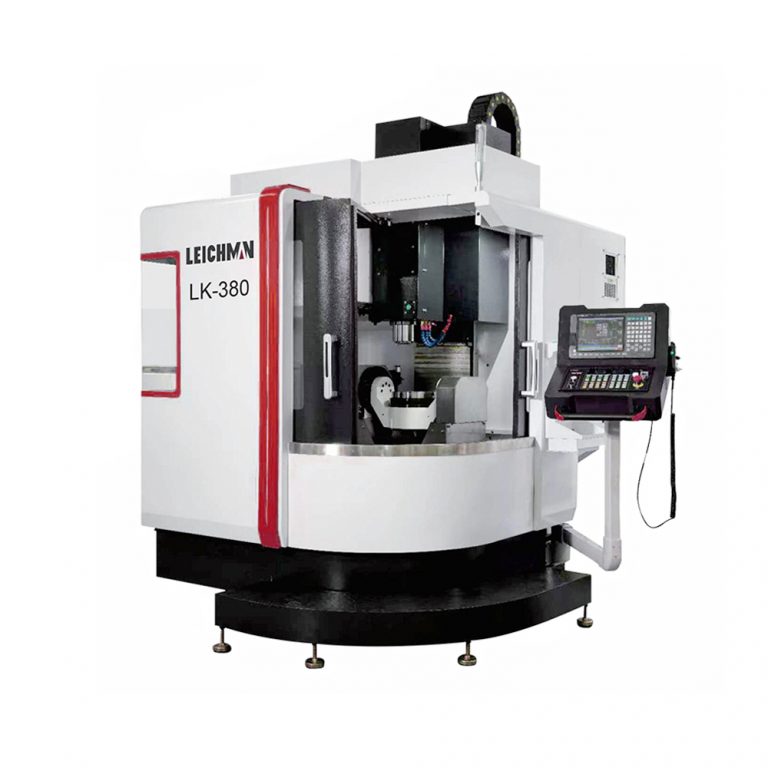
I’ll be honest: these steps demand work up front. But I’ve seen the payoff — fewer surprises, quieter nights, and a shop floor that finally feels under control. If you want a practical partner that understands these trade-offs, I recommend checking Leichman as a starting reference for comparing real-world performance and support.