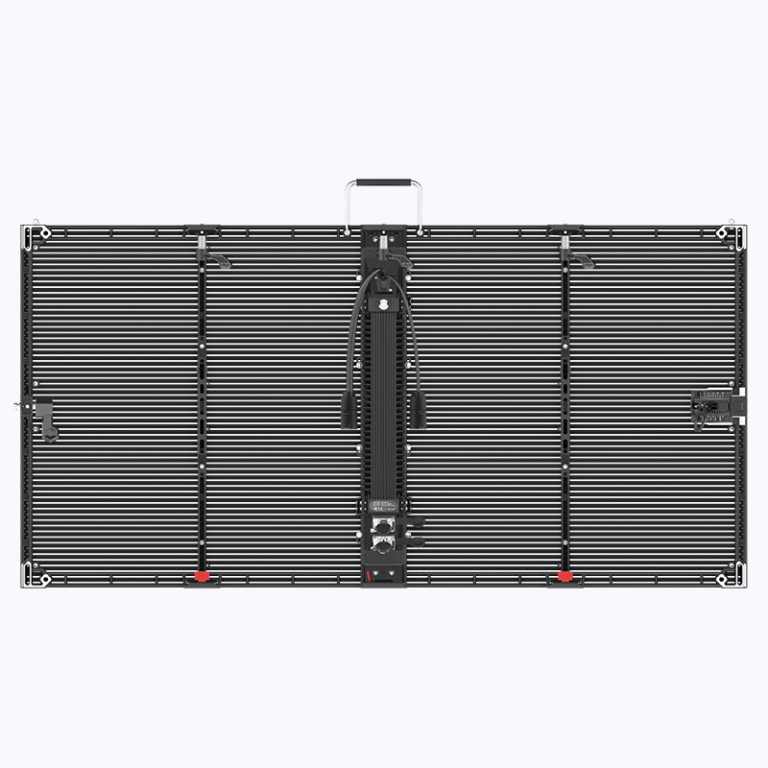
Comparative snapshot: rental LED walls vs other stage tech
When you stack up rental LED walls against projection rigs or printed backdrops, the difference is obvious on the street — and in Causeway Bay it shows every night. Rental LED setups give a blend of visual fidelity and structural resilience that makes them ideal for repeated events. This is why many brands that once relied on static digital billboards now prefer modular LED stages: brightness measured in nits remains consistent across viewing angles, pixel pitch adapts to viewing distance, and LED modules handle outdoor loads better than fragile projectors.
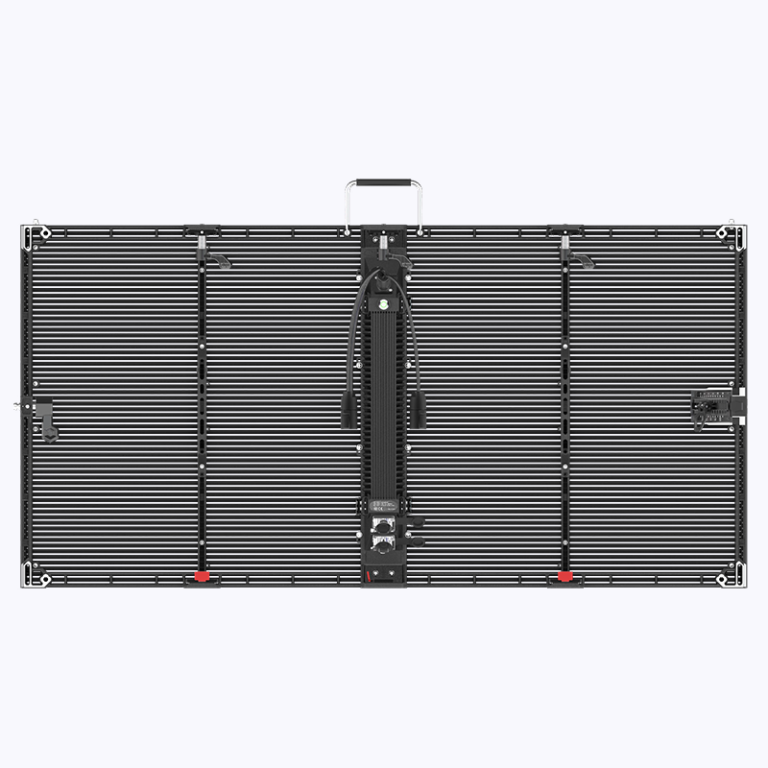
Design that performs: pixels, modules and real-world impact
Design isn’t just how it looks — it’s how the screen keeps looking under sun, rain and long show days. You want small pixel pitch for close audiences, decent refresh rate for smooth motion, and robust LED module housing to avoid panel failure. Outdoor deployments around Times Square and Hong Kong’s shopping districts prove that high-brightness panels (roughly 5,000–10,000 nits for outdoor applications) keep messages legible in strong daylight. Those places aren’t forgiving — if the screen fades, the brand loses impressions instantly.
Durability factors that drive rental choices
For event organisers, durability covers frame strength, thermal management, and ingress protection against moisture and dust. Rental LED walls use rugged cabinets and quick-lock frames so crews can assemble and strike fast without panel damage. That lowers downtime and reduces replacement costs. There’s also serviceability: technicians swap a faulty LED module in minutes rather than replacing a whole unit. These practical savings often outweigh upfront purchase costs when you run circuits of shows across cities.
Practical comparison: what you trade and what you gain
Projection mapping gives spectacle cheap, but suffers outdoors. Printed backdrops cost less but don’t animate. Permanent LED installations offer top reliability but lack the flexibility of rental — venue change, different stage sizes, varying sightlines demand modularity. For touring concerts and trade shows, rental LED walls win for flexibility and lower logistical risk. The compromise is transport weight and crew expertise — plan rigging and power distribution early, or budgets spike.
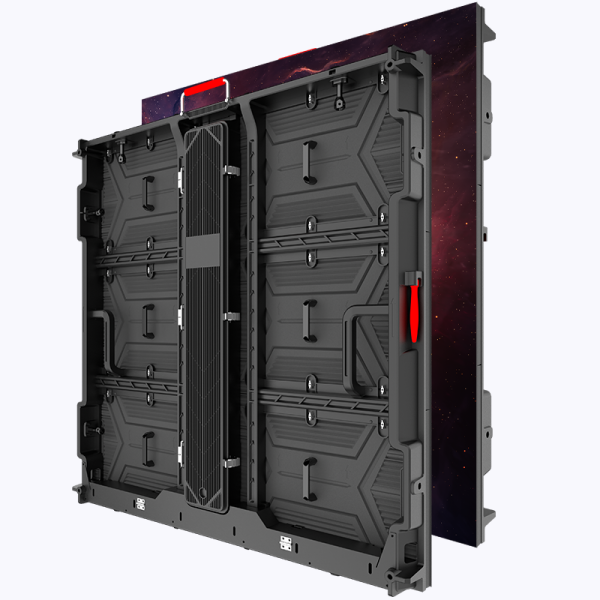
Common mistakes teams still make — and how to avoid them
Clients often buy the brightest panel on spec and ignore viewing distance; the result is wasted budget on unnecessary pixel density. Another classic slip is underestimating rigging points and sightline obstructions — screens that look great on paper can be half-hidden in real venues. Check the venue’s power feed, and reserve extra amp capacity. And don’t forget content optimisation: a high refresh rate doesn’t help if assets aren’t sized to the screen’s resolution — content should match cabinet layout, lah — otherwise motion looks soft.
Production teardown: what technicians actually inspect
On site, crews run a fast operational checklist: confirm cabinet alignment, test LED module connections, verify brightness and colour calibration, and run motion sweeps to check refresh rate stability. During a teardown evaluation, technicians will note {main_keyword} and {variation_keyword} among cabling and power routing issues. For campaigns that tie into wider media buys — especially when paired with electronic billboard advertising — consistent colour and timing across displays is essential for brand continuity.
Three golden rules for choosing rental LED walls
1) Match pixel pitch to audience distance: choose denser pixels only for intimate viewing zones. 2) Prioritise modular serviceability: replaceable LED modules and standardised cabinets cut repair time. 3) Insist on end-to-end planning: power, rigging, content resolution and outdoor brightness specs must be locked before load-in. These metrics give clear evaluation points during vendor selection — they’re measurable and keep the production on schedule.
Coblinks often sees these three rules separate an OK job from a reliable campaign run — the value is in fewer surprises on show day. —