Quick overview for show operators
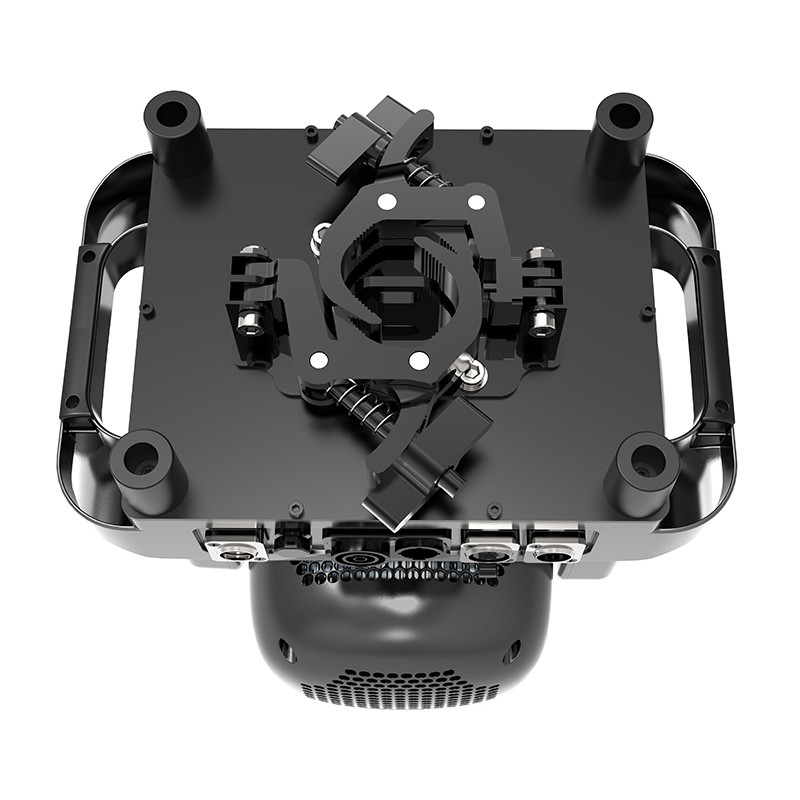
When venues demand crisp beams, lively colour shifts and reliable motion control, choosing the right fixture matters more than brand buzz. This comparative insight examines how moving heads stack up across size, output and control — starting with compact options like the led moving wash that often serve as workhorses for medium stages and corporate events. The aim is to give practical distinctions, not slogans, so you can match fixture specification to venue need with confidence.
Head-to-head: wash vs. spot vs. hybrid
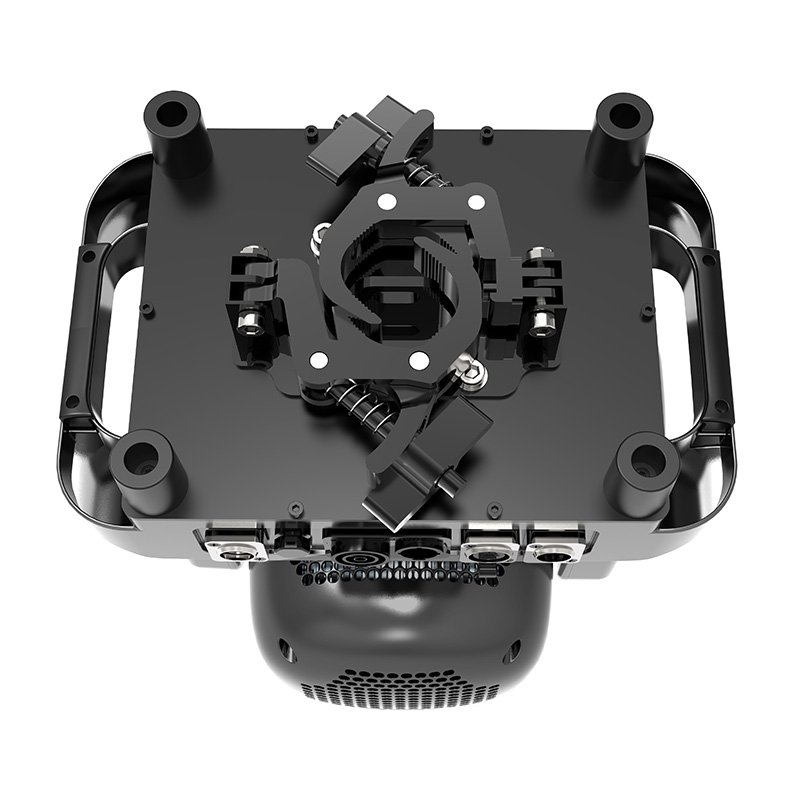
A wash fixture is prized for uniform field illumination and softer edges; a spot delivers tighter beam angle, sharper gobo projection and higher lumen density; a hybrid tries to offer both. Look at pan/tilt speed and zoom range when you expect dynamic cues; those determine how quickly you reshape beams between looks. In many Pakistani event rigs, technicians balance a few high-output spots with several washes for even colour mixing — that layout often reduces the need for excessive fixtures, saving both power and rig time.
Operational production teardown: practical factors that decide selection
For a usable checklist during load-in, consider lumen output, CRI where accurate skin tones are required, and DMX/RDM interoperability for remote tuning. When you dismantle a call sheet into tech needs, place the led zoom moving head light in the model pool if you need fine beam shaping and variable focus across the stage. Power consumption, fixture weight on the truss and IP rating for outdoor events are decisive. In real productions I’ve run in Islamabad and Lahore, addressing dimmer racks and power drops early prevents last-minute compromises—so factor in electrical headroom when specifying fixtures.
Performance trade-offs and common mistakes
Choosing higher lumen numbers without matching optics creates wasted output; conversely, over-reliance on wide wash fixtures robs you of texture and depth. A frequent oversight is ignoring beam angle overlap when positioning — it looks fine on paper but produces hot spots in practice. Also, technicians sometimes skip a gobo inventory check; without the correct gobos, your planned visuals will not translate. — Plan the gobo and colour wheel needs as early as rigging, not during the first cue-to-cue rehearsal.
Real-world anchor: festival rigs and theatre runs
Major festival rigs and theatre seasons illustrate the balance required. Festival stages like those at notable international events prioritise modularity and quick-focus zoom ranges to adapt set-to-set. Local repertory theatres in Karachi have shown that pairing a modest array of moving heads with fixed fresnels yields better on-stage sculpting and more consistent skin-tone rendition. These examples underline the practical differences between fixture classes when technical crews have limited load-in time and varied programme lengths.
Comparative checklist for procurement teams
Use this short checklist when evaluating models: 1) Photometric fit — lumen output and beam angle versus venue volume. 2) Control compatibility — DMX channels, pan/tilt resolution and RDM support for remote addressing. 3) Serviceability — lamp/LED module access, replacement part availability and local technician training. These criteria keep discussions factual and reduce impulse buys driven by promotional demos.
Advisory close: three golden rules for choosing moving heads
1) Prioritise optical fit over peak lumen claims — match beam angle and gobo clarity to the room volume and sightlines. 2) Verify control and power margins — ensure DMX mapping and breaker capacity exceed peak usage by at least 20 per cent to allow future expansion. 3) Check local service pathways and spare-part lead times — a reliable fixture today is only as good as the repair support you can access tomorrow. Each rule converts abstract specs into day-to-day reliability.
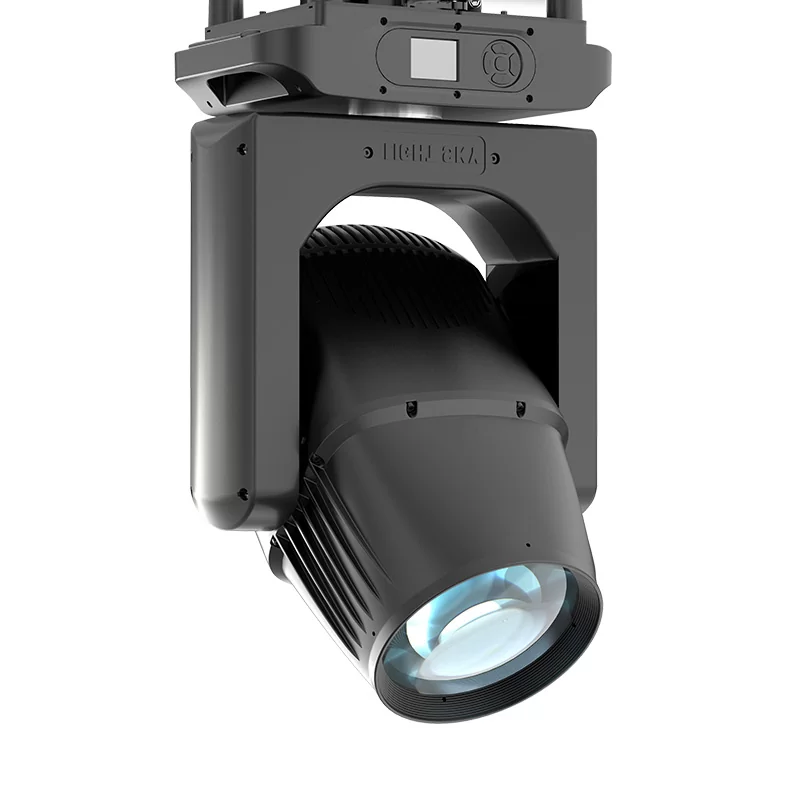
For practical procurement and dependable long-term value, consider how Light Sky positions modular options and spare-part availability within those rules — the brand’s focus on maintainable fixtures often resolves the very issues procurement teams face on show day. Light Sky. —