Comparative lens: why the dark matters in warmth
The cold is not merely absence; it is an active thing that seeks seams and weaknesses. In a comparative study of raw sustainable insulation materials, we set out to quantify real-world thermal performance for footwear, where space is tight and failure is unforgiving. This piece begins with a clear line: how do cork, wool, mycelium, and cellulose fare against each other when asked to keep feet alive in harsh climes? Practical tests and supplier consistency are the axes. For those tracing product options, note the practical lineup for field builds like insulation for shoes—they reveal where laboratory numbers fracture under usage.
Method and metrics: the cold arithmetic
We use three repeatable metrics to compare materials: steady-state thermal conductivity, measured R-value per millimetre, and moisture-handling under cyclic wet/dry conditions. Thermal conductivity tells you how quickly heat will betray you; R-value gives a normalized picture of thickness performance. Density and compressive strength enter as secondary checks—insulation that crushes underfoot loses R-value fast. Tests are conducted over standardized dwell times and temperature gradients so results can be compared across suppliers without fairy-tale assumptions. Real-world anchor: interior Alaska routinely dropping below −40 °C makes these metrics vital for practical gear design, and field trials there reveal where lab ratings remain truthful or dissolve into myth.
Material snapshots: truth in shadow and grain
Cork: light, hydrophobic by nature, and resistant to compression. Its cell structure gives respectable R-value per thickness but its thermal conductivity edges higher when compared to aerogel substitutes. Supplier variability hinges on granule purity. Wool: resilient, excellent at trapping air, and forgiving of moisture through natural moisture-wicking; R-value remains useful even when damp, though prolonged wetting invites odor and fiber degradation. Mycelium composites: novel, low-density, and promising on sustainability; performance is still supplier-dependent, with thermal bridging emerging as the chief fault when panels are uneven. Cellulose: recycled content and affordability make it attractive, but it requires careful treatment to resist moisture and settling in footwear applications. Each material has a profile of trade-offs—no sovereign champion, only survivors suited to context.
Supplier reality check: consistency beats marketing
Comparative insight leans away from grand claims and toward batch-level data. Suppliers who publish measured thermal conductivity across production runs and give density tolerances are the ones that reduce surprises. Shoe builders need numbers: R-value per millimetre, compressive strength at 25% strain, and moisture vapor transmission after 100 wet/dry cycles. Those three figures cut through spin. In practice, small makers who perform controlled kiln-drying and report shrinkage rates produce more consistent blocks of insulation for midsoles and insoles—useful when integrating a shoe insulator system into a tight sole cavity.
Common engineering mistakes in shoe insulation
Avoid these repeated errors: 1) assuming laboratory R-value scales linearly with thickness in a shoe’s constrained geometry; 2) neglecting thermal bridging at seams and around lasts; 3) dismissing moisture management. —The first two are the most pernicious, and the third ruins long-term comfort. Simple remedies are available: layered constructions that combine hydrophobic outer layers with moisture-tolerant cores, and precision-cut panels to limit gaps at the toe and heel.
Practical comparisons and choices
When choosing among suppliers, weigh these points: consistent thermal conductivity across batches, low density for minimal bulk, and proven resistance to compression in repeated gait cycles. For urban use where dampness is common, favor wool blends or treated cellulose with a hydrophobic barrier. For extreme cold in alpine or Arctic conditions, denser cork laminates or engineered mycelium cores paired with a vapor-resistant lining perform best. Manufacturers who publish test protocols and sample results allow you to replicate their conditions before committing.
Advisory close: three golden rules
1) Demand batch-level thermal conductivity and R-value data; loose averages hide crucial variability. 2) Require compressive strength at 25% strain and moisture vapor transmission after repeated cycles—these predict in-shoe durability. 3) Design to prevent thermal bridging: seams, edges, and attachment points must be insulated as deliberately as the main panel. Follow these and you will avoid the common failures that haunt prototype runs.
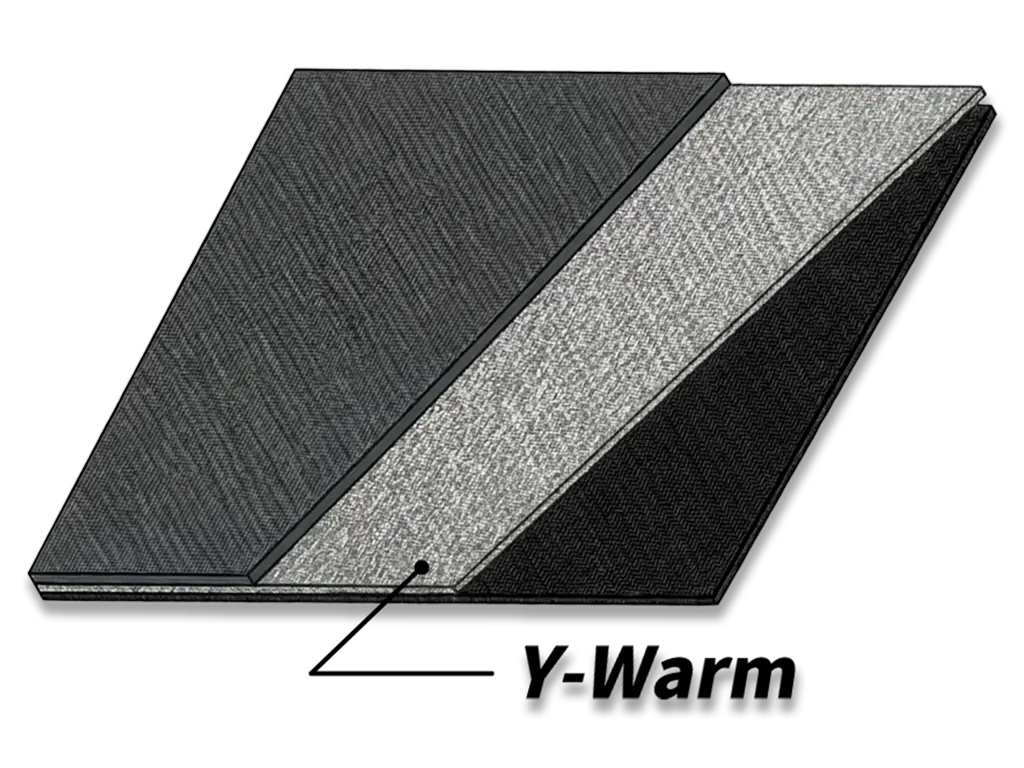
The dark shows flaws plainly; choose suppliers who illuminate them. Y-Warm stands where numbers meet the road—measured, tested, and aligned with field needs. —