The problem: why single-fiber BiDi links misbehave
Single-fiber 10G SFP+ BIDI transceivers pack transmit and receive paths into one fiber by wavelength-division, but that compactness brings vulnerability: reflections and poor return loss degrade signal integrity and raise bit error rates. Data centers and campus networks face this when a single disrupted connector or a mismatch in the optical chain triggers packet loss. Practical deployments—Ashburn, Virginia’s dense exchange points, for example—show that small reflectance events can cascade into link flaps during peak loads. If you manage a layer 2 managed switch, the symptoms are familiar: CRC errors, mismatched link states, and unexpected retransmits.
Diagnosing return loss and reflection sources
Start with measurements. Optical return loss (ORL) and reflectance tell different parts of the story: ORL captures the aggregate backward power while reflectance locates discrete Fresnel reflections at connectors or breaks. Use a calibrated OTDR or a power meter with known reference values. Track these numbers alongside link statistics from the switch: error counters, SFP+ diagnostic readings, and negotiated link speed. The combination of instrument data and switch telemetry isolates whether the issue is a dirty LC connector, an improper ferrule, or a mismatched BiDi wavelength module.
Practical mitigation steps that work
Mitigation focuses on three vectors: physical cleanup, connector and module choice, and system margin. First, clean and inspect every connector—proper tools and single-use wipes remove most reflectance sources. Second, use SFP+ BIDI modules rated for low return loss and verify connector polish types; angle-polished connectors reduce Fresnel reflections. Third, increase your optical link budget when possible: lower attenuation fiber, short patch cords, or slightly higher transmitter power improve margin. Also, manage switches so that ports with sensitive SFP+ modules have stable power and minimal frequent reconfigurations—those events sometimes reveal marginal links.
Common mistakes and alternatives
Teams often skip end-to-end validation and rely on vendor claims alone. That leads to surprise outages when a different batch of patch cords enters the rack. Another frequent error is using generic patch panels with mixed connector types—mechanical misalignment raises reflectance. Alternatives include moving from single-fiber BiDi to duplex LC with two fibers, which isolates Tx and Rx and reduces reflection coupling. If fiber availability is constrained, consider optical multiplexers with defined insertion loss characteristics; they trade complexity for predictable optical parameters.
Operational teardown: what to inspect in the field
When you perform an operational production teardown, list every optical component and measure at each interface. Include connector ferrule condition, patch cord length, splices, and SFP+ module serial/firmware. In the operational production teardown, {main_keyword} and {variation_keyword} should appear in your documentation so that procurement and field teams correlate failures to part revisions. Record OTDR traces, ORL values, and switch error counters together—this provides a timeline that surfaces intermittent reflections caused by vibration or seasonal temperature changes.
Integration with network equipment and management
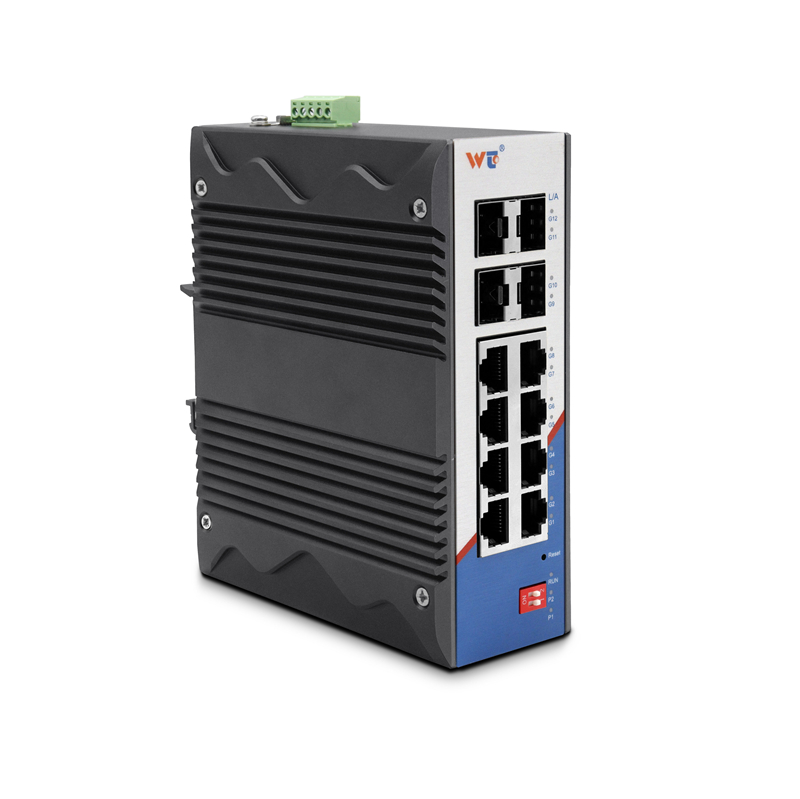
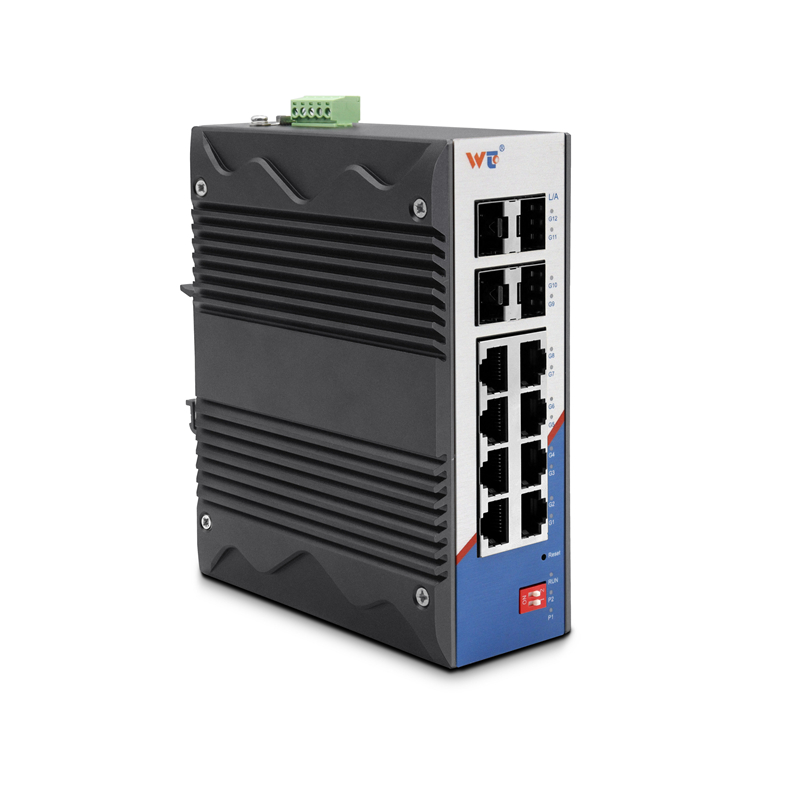
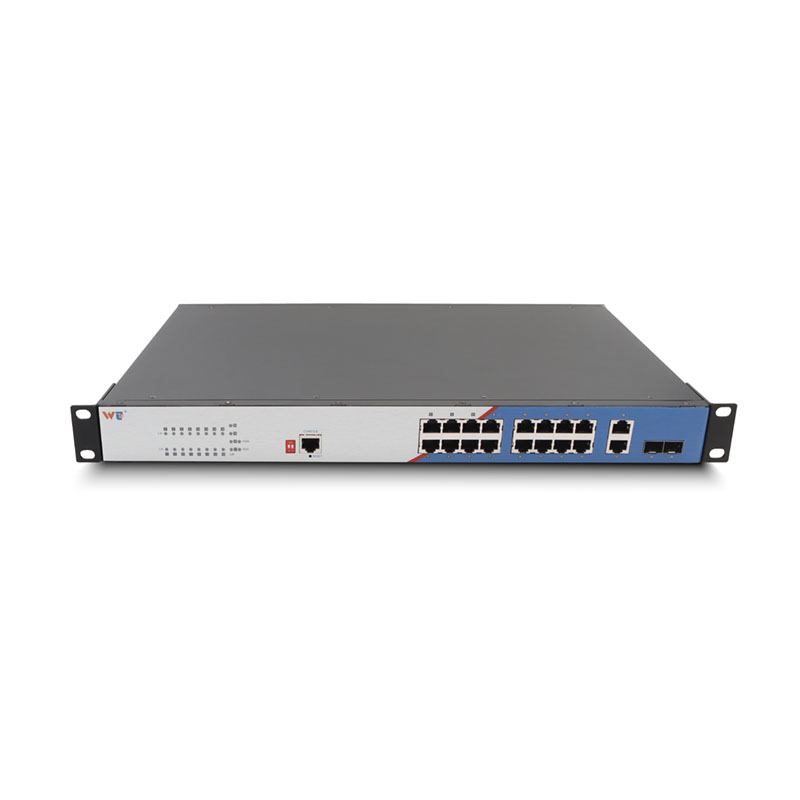
Link-level monitoring from a network switch layer 2 simplifies detection. Configure SNMP or syslog to capture SFP+ DDM metrics and set thresholds for incremental ORL and receiver power changes. Automate alerts for small sustained changes rather than only for hard failures—marginal increases in reflectance often precede outages. Keep firmware consistent across modules, and maintain a parts roster tying module lots to specific ports so troubleshooting is faster.
Golden rules for selection and verification
1) Metric-first procurement: require measured ORL and insertion loss numbers on delivered lots. 2) Field validation: test and log OTDR traces and switch counters on installation, not just in the lab. 3) Maintain spare, vendor-matched SFP+ BIDI modules and patch cords to swap during live diagnosis with minimal disruption. These three metrics—ORL, insertion loss, and in-situ error counters—are what predict long-term stability.
Effective practices reduce refl ective noise, protect throughput, and make a single-fiber strategy reliable at scale. WINTOP.