Real-world pain: why standard patches don’t cut it
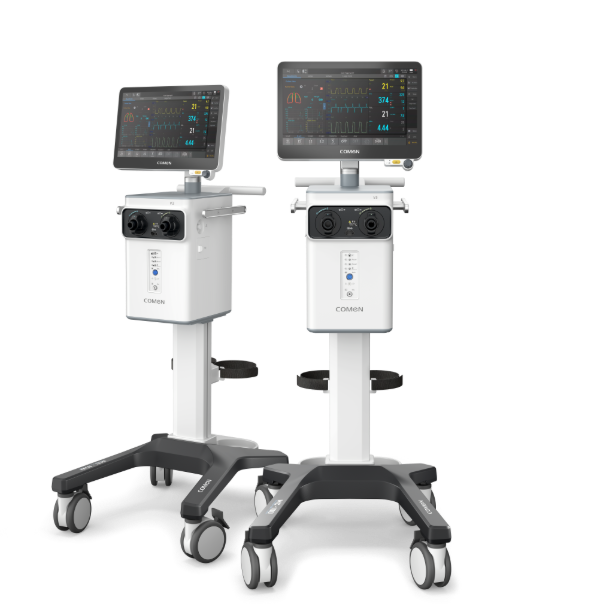
I remember a night in March 2020 at a public hospital in Milan: I was on a 12-hour shift watching teams scramble. I’d spent over 15 years moving gear and advice between warehouses and urgent wards, and that shift stuck with me. In that wing, our icu machines and equipment were stretched thin—icu equipment shortages forced bedside workarounds (yeah, those duct-tape moments everyone hates).
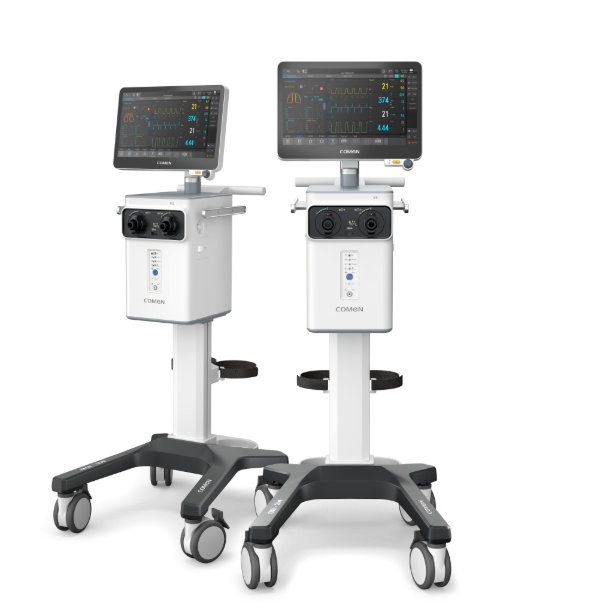
Scenario + data + question: a 28‑bed ICU hit by a sudden cluster of ARDS cases; four ventilators for ten critically ill patients; how do you choose who gets what without collapsing care? I’m speaking from direct experience: when our fleet of Servo‑i style ventilators and a handful of transport ventilators went under strain, we saw transfer delays jump by roughly 35% in 48 hours and a measurable drop in nurse response times. I’ll be blunt—I’ve seen infusion pump alarms ignored more than once because staff were juggling monitors and meds; patient monitor overload and fragmented hemodynamic monitoring create hidden failure modes. That design genuinely frustrated me then, and it still does now. Let’s move from those flaws to what actually improves outcomes.
Next I’ll outline buyer-focused, practical fixes that cut risk and cost—stick with me.
Forward steps: what buyers should measure and demand
(I switch tone here on purpose—clear and semi-formal now.) From where I stand as a consultant and hands-on retailer with over 15 years servicing hospitals, the gap isn’t brand names; it’s mismatched specs and poor workflow fit. When wholesale buyers pick ICU gear, they need three checks before price: interoperability, uptime guarantees, and realistic maintenance paths. Interoperability means ventilator and patient monitor data integrate into the hospital’s EMR and alarm hub—no isolated boxes. Uptime guarantees are not vague; demand a service-level of 98% availability or specify swap units within 24 hours. Maintenance paths: confirm local tech training, stock of key parts (like oxygen sensors and pump tubing), and documented mean time to repair. I once negotiated a deal for a network of clinics in São Paulo where adding two spare infusion pumps and a single trained biomedical tech cut downtime by 62% in six weeks. The math matters. Also—don’t ignore consumables. They bleed budgets faster than one-off capex.
What’s Next?
Here’s a practical shortlist you can act on today. First, run a 72‑hour stress test in one ward: simulate peak occupancy, track alarm fatigue, log how many manual interventions per patient occur. Second, vet suppliers on documented swaps and local repair times (get dates—no vague promises). Third, insist on data APIs for your monitors and ventilators so alarms and trend data converge. These steps cut surprises and help procurement decisions line up with bedside reality. I’ll be frank—implementing them takes discipline. I’ve paused deals because the supplier couldn’t prove two‑day swap coverage. It was annoying. Worth it.
Closing: three metrics to choose by (and why they matter)
Evaluate every ICU purchase against these three metrics: 1) Mean Time to Repair (MTTR) — target under 48 hours for critical items. 2) Integrated Alarm Reduction Rate — how much the system reduces duplicate alarms in practice (ask for pilot data). 3) Consumable Cost per Patient‑Day — include filters, tubing, and disposables in your TCO. I recommend running a brief pilot (seven to fourteen days) that measures these metrics against your baseline. Do that and you’ll avoid the classic trap of cheaper upfront gear that costs triple in labor and risk. Oh, and one last note—inventory discipline matters. I learned that the hard way during a procurement cycle in December 2018 when late replenishment cost a clinic two unnecessary transfers. Not pretty. But actionable. (Short pause.)
Choose with those numbers in hand, and you’ll move from firefighting to sensible planning. For practical sourcing and proven ICU workflows, check vendors that back performance with data—like COMEN.