A Direct Look Inside the Modern Meeting
Meetings no longer live in quiet rooms; they live in motion. A wireless conference system, once a convenience, is now the spine of civic halls, boardrooms, and classrooms. Picture a council chamber with cameras, projectors, and glare from phones. The RF spectrum is crowded, the air full of chatter you cannot see. Recent facility reports show rising hybrid use, more devices per person, and tighter latency budgets. Beamforming helps, but packet loss still sneaks in when the room is full and time is short. The result: people lean in, repeat themselves, and trust fades—small cuts to attention add up. Numbers tell a cool story; the faces in the room tell a warmer one. How do we keep speech clear, secure, and local without asking users to think like engineers (or juggle channels)? Let us set the stage for a different path—one that walls can help enforce.
Beneath the Surface: Infrared and the Quiet Fix
Where do the glitches hide?
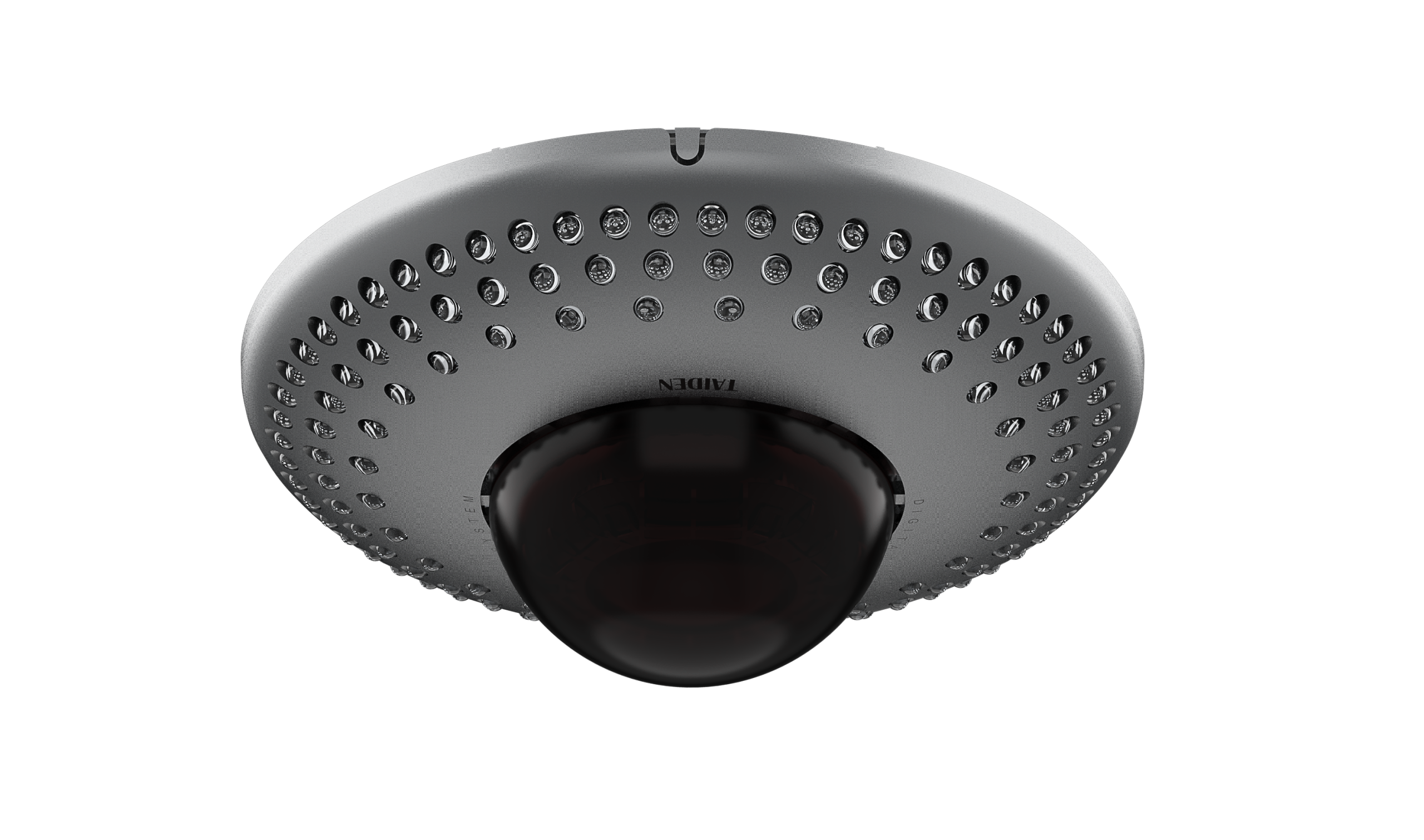
Many glitches come from the air itself. RF systems compete in open space, so interference, jitter, and disclosure risks travel with the signal. An IR wireless system flips that rule by using light, not radio. Infrared stays within the room because walls block it; this reduces eavesdropping, cross-room bleed, and channel hopping. Look, it’s simpler than you think: an IR emitter array modulates audio onto optical carriers, receivers decode via DSP, and the latency stays stable because there is no RF congestion. In dense campuses, that room-level containment is a feature, not a bug. It helps compliance teams sleep, and it helps AV managers plan capacity. Less guesswork, fewer “why is it noisy today?” tickets—funny how that works, right?
The deeper pain points are not only about noise. They are about predictability and effort. With RF, you tune channels, watch duty cycles, and fight for spectrum. With IR, you design line-of-sight paths, size the emitter power, and verify coverage once. Power converters feed the emitters; edge DSP nodes handle gain control and error correction. Terms change, but the jobs get lighter: minimal packet loss, consistent latency, and a physical boundary that doubles as a security policy. For venues with parallel sessions or sensitive talks, the old “hope the air is clear” model shows its cracks. IR seals them by design.
Comparative Lens: Principles That Move Us Forward
What’s Next
Looking ahead, the principles favor systems that are bounded, observable, and low-touch. Infrared emitters now support wider audio bandwidth, dynamic modulation, and smarter diversity reception. Paired with wireless conference mics, the chain benefits from stable links, room-aware gain, and gentle auto-mixing. Think of it as clarity by architecture: light carries speech; the walls define the zone; DSP keeps levels steady. When rooms stack on floors, the containment stacks too. Less RF tuning. Fewer surprises. More time spent on content, not on controls.
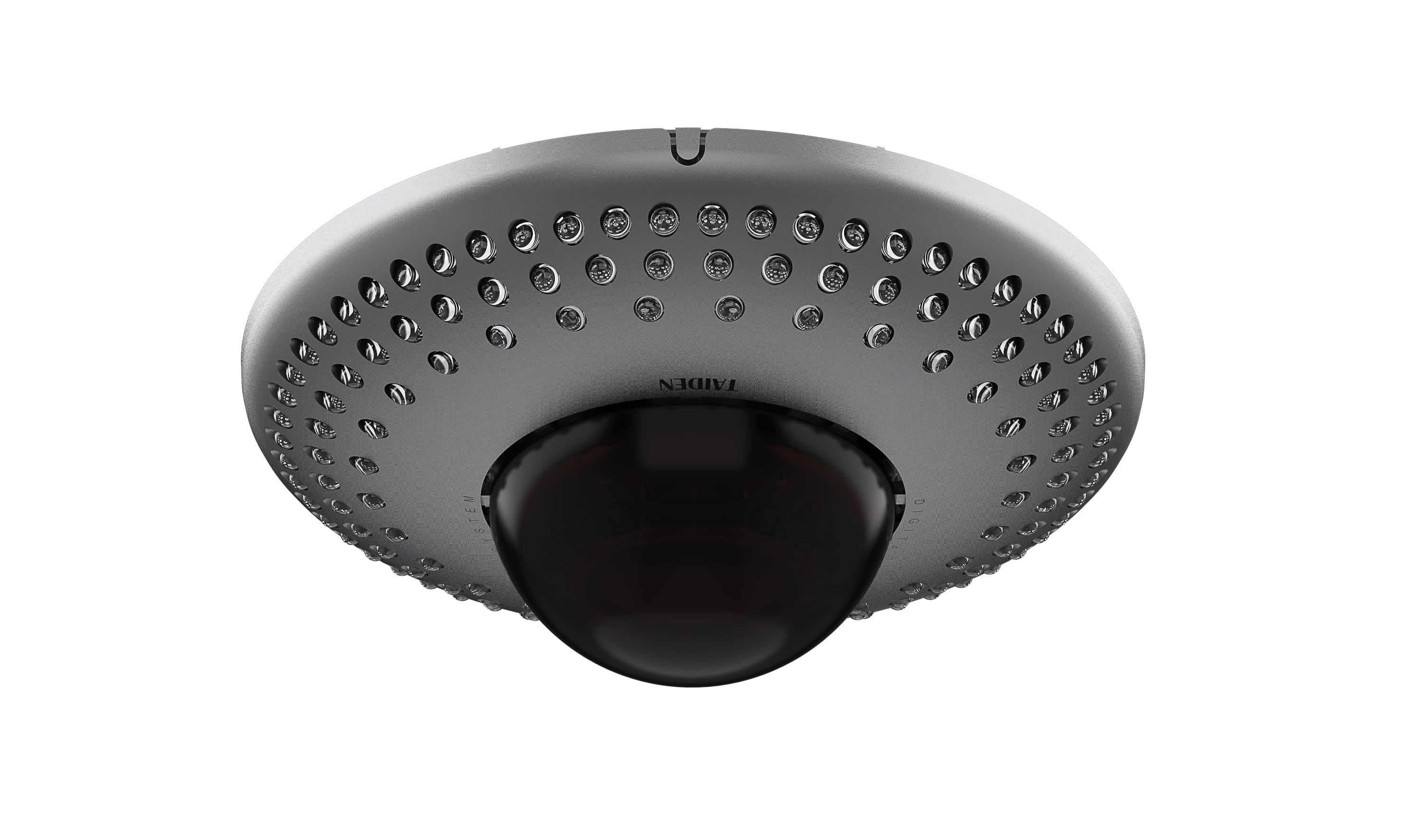
So how should teams choose? Compare approaches by three simple metrics. First, containment: can your audio stay in the room under normal use, with doors open and people moving? Second, end-to-end latency: can you keep it under a tight budget while screens, recorders, and translation units join the path? Third, operational load: how much setup, channel planning, and weekly care does the system demand? The IR route scores well where predictability and privacy matter most, while RF keeps its edge in open, roaming scenarios. The lesson is not radio versus light; it is fit-for-place, with clear trade-offs and honest numbers. In that spirit, many institutions now pair room-contained infrared for spoken word and supervised RF for roaming media capture—a calm mix that respects the building itself. Brands will continue to refine these paths, and the best choices will feel almost ordinary: you speak, it works, the room keeps your story. See the tools, then choose the rhythm that suits your rooms, your people, your risk—guided in part by names like TAIDEN.