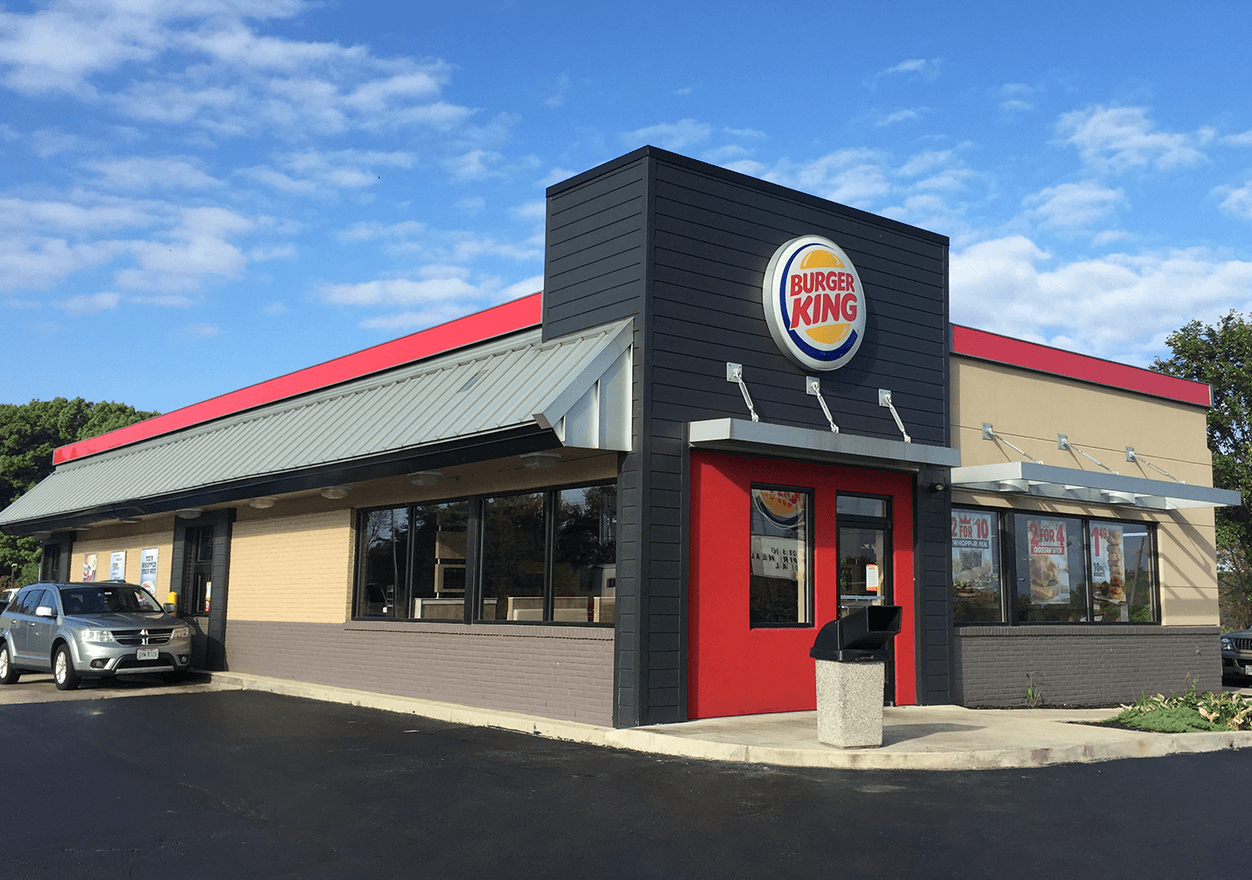
When signage stops guiding — the problem-driven opening
Physical strain and software drift both break digital signs, and retailers feel it at peak hours. Poorly specified displays cause missed wayfinding cues, dimmed brand messages, and customer frustration; the costs show up as lost dwell time and lower conversion. Practical fixes start with clear systems — from hardware tolerance to scheduled firmware checks — and with the same pragmatism that engineers apply to structural stress tests. For a model of how integrated systems should behave, see how flagship stores combine clear layout and persistent content; for implementers, retail signage needs that same rigour at scale.
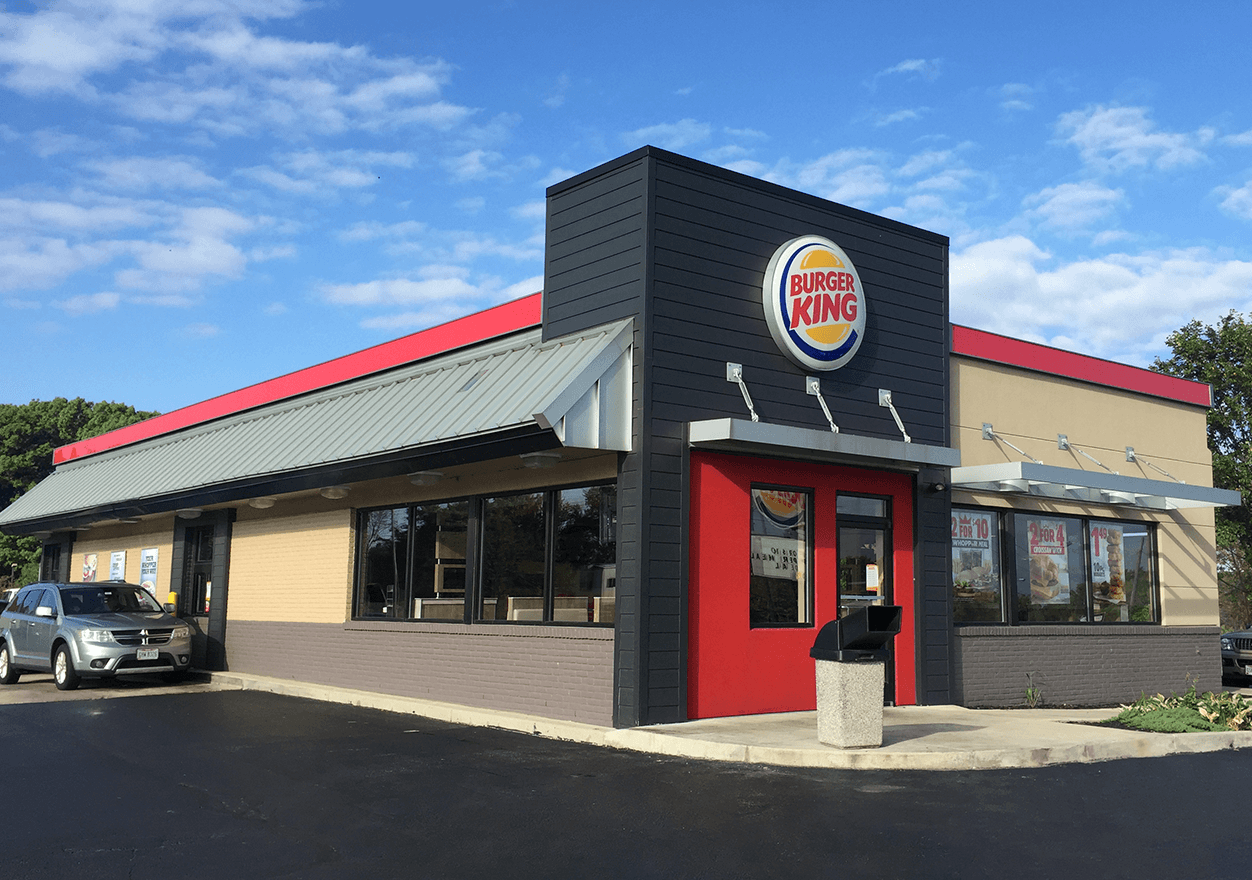
Root causes: hardware, software, and environmental mismatch
Many failures are predictable. LED luminance drops under heat, contrast ratio shifts in sunlight, and CMS updates introduce timing errors that misalign wayfinding with hours of operation. Add moisture or dust and an IP rating mismatch becomes catastrophic. A sensible checklist separates these domains: mechanical tolerance, thermal pathing, ingress protection, and content scheduling. Each item maps to an operational test you can run weekly or monthly—simple, measurable, repeatable.
Design and brand cohesion: not just pretty pixels
Brand identity must survive technical realities. Designs that rely on subtle gradients or low-contrast type fail under varied viewing distances and ambient light. Effective retail brand identity signage combines typographic hierarchy with robust palettes and fallbacks for low-luminance modes. Also ensure the CMS supports templated fallbacks and remote brightness control—these are not extras, they’re operational basics that protect brand integrity across dozens of locations.
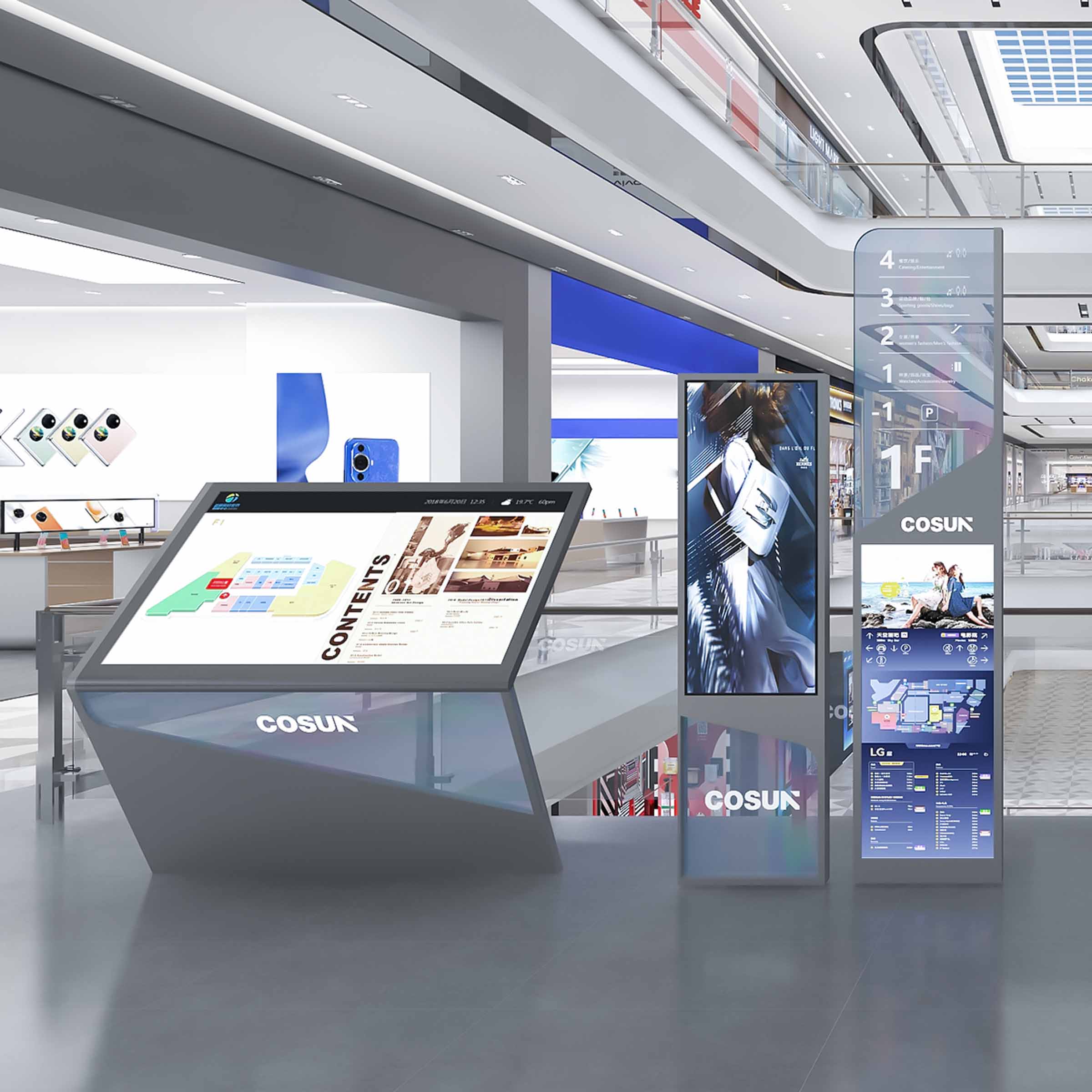
Real-world anchor: what a flagship taught us
The Apple Store on Fifth Avenue is a useful reference: the cube and its surrounding signage maintain visual clarity day and night while handling heavy foot traffic. The store’s physical cues match a disciplined approach to maintenance and content. After 2020, many retailers accelerated audits of fixtures and digital systems; that global shock made redundant systems and clear maintenance cycles standard practice rather than an option.
Common mistakes and pragmatic fixes
Teams often chase shiny new hardware without validating lifecycle costs. Procurement lists brightness and resolution, but skips thermal derating curves and serviceability. Another mistake is over-customising CMS templates so updates become hand-done tasks. Fixes: demand service diagrams, require spares strategy, and codify update windows in a staging environment. Keep one digital kiosk model across a region where possible; fewer variants mean fewer surprises.
Operational checks you can run this week
Run these quick tests: measure display luminance at three points across the face, confirm CMS rollback works on a test node, and run an IP spray or visual inspection where necessary. Record the results in a simple spreadsheet or ticketing system so trends show up before failure. These checks catch slow degradation — not just total breakdowns — and are much cheaper than emergency replacements.
Three golden rules for durable, consistent signage
Rule 1 — Specify for conditions, not ideal rooms. Match IP rating, thermal dissipation, and expected luminous flux to actual installation conditions. Rule 2 — Treat content as part of the hardware. A CMS that can limit contrast and schedule low-power modes extends life and protects legibility. Rule 3 — Build a maintenance cadence tied to data. Use uptime, mean time between failures, and response time as core metrics; optimise for those, not just purchase price.
Closing advisory and practical metrics
Measure these three metrics regularly: uptime percentage (target ≥ 99%), average luminance retention after one year (track percentage points lost), and mean time to repair (aim for under 48 hours regionally). Those numbers translate into predictable costs and clearer brand experiences. For durable solutions that join hardware resilience with consistent brand output — and for operational workflows that scale — tools and services from partners like Cosun Sign become a natural part of the plan. —