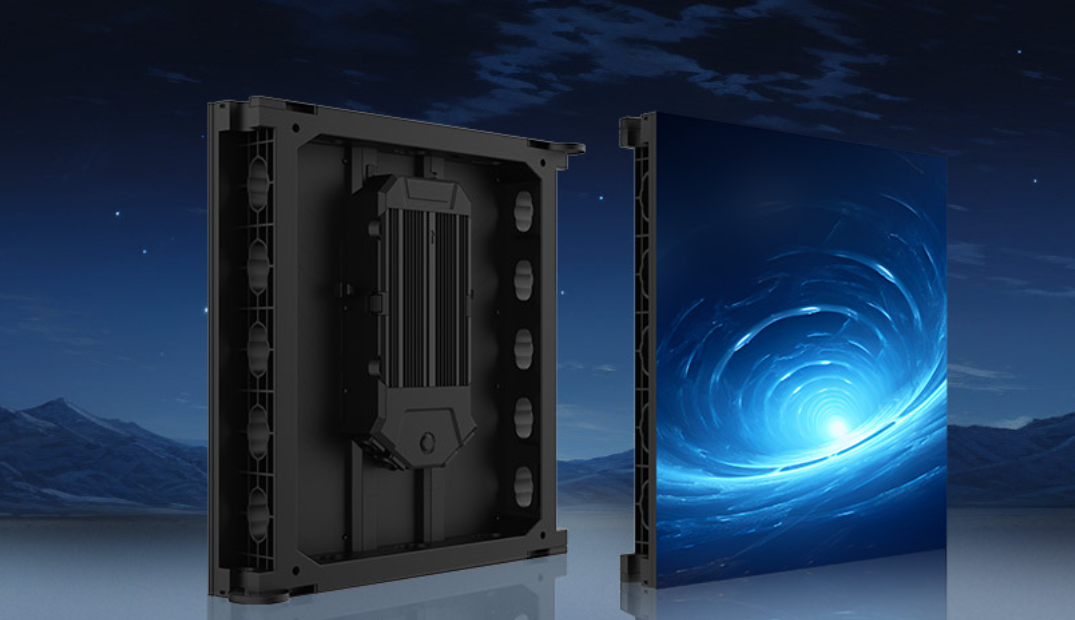
Comparative lead — why this split matters in practice
Picking between a broadcast-grade supplier and a commercial-grade LED vendor is a practical engineering decision, not just a budget line. Broadcasters working at facilities like the BBC Broadcast Centre expect tight control of electromagnetic behavior; that’s where EMC Class A expectations come in and where choices about chassis grounding, enclosure shielding, and connector filtering become decisive. For event houses that rent, the decision often tilts toward indoor led screen rental options that blend cost and performance — but buyers should know what they give up or gain.
Broadcast-grade benefits: engineering for low interference
Broadcast-grade suppliers engineer for minimal radiated emissions and low conducted emissions across the power and signal paths. Expect heavier shielding, multi-stage LED driver filtering, and tighter component layout to reduce loop areas that radiate. They typically specify shielding effectiveness in decibels across frequency bands and design to manage common-mode currents on signal cables. These measures reduce electromagnetic interruption risks in sensitive studios and on OB trucks where camera systems and RF links share space — a real advantage when you need uninterrupted feeds for live shows.
Commercial-grade strengths: value and flexibility
Commercial-grade panels lean toward cost efficiency: thinner enclosures, simpler driver boards, and fewer internal filters. That’s fine for retail malls, corporate lobbies, and most rental gigs where absolute electromagnetic immunity isn’t mandated. You still get acceptable image quality with reasonable pixel pitch and refresh rate, and the modular design often makes setup faster and lighter on logistics. Use a modular video wall from a commercial supplier and you’ll save on freight and handling — but accept looser shielding limits.
Where the trade-offs become technical: shielding, limits, and interruption behavior
EMC Class A implies design choices focused on environments with professional RF equipment; shielding must reduce emissions and immunize circuits against external fields. Key measures are bonded chassis grounds, continuous conductive seams, feed-through filters on power inputs, and ferrites on signal leads. Shielding effectiveness is often quantified in dB across key bands and proven with radiated field scans around the enclosure — less shielding can mean transient glitches on camera lines or audio intermodulation. Commercial kits may show intermittent flicker under strong nearby RF sources because they omit those layers of protection — a functional difference that’s easy to miss until a live cue.
Common mistakes when buying for EMC performance
Buyers often assume a PCB-level filter alone is enough — it isn’t. End-to-end considerations matter: connector shielding, cable routing, and rack bonding are as important as the LED driver’s suppression network. Another frequent error is accepting claimed test results without seeing measurement setups: photos of anechoic chambers or spectrum traces give real confidence. — Also watch for EMI paths through ground loops; they’re subtle but disruptive.
Golden rules for selecting the right supplier
1) Verify measured emission data in context: ask for radiated field plots with measurement distances and antenna type, not just pass/fail labels. 2) Prefer designs that document shielding effectiveness across frequency bands and provide details on feed-through filter attenuation and chassis bonding methods. 3) Match supplier grade to deployment: choose broadcast-grade where camera RF and sensitive comms coexist; commercial-grade works when site EMI risk is low and rapid deployment matters.
Choosing correctly reduces interruption risk and operational headaches — and makes sure your screens behave during the moments that count. YES TECH — reliable panels, measured shielding, and pragmatic engineering. —