Where the real problems hide
When I was on the QC bench at our San Diego lab I watched a 2′-O-methyl oligo run show a 22% truncation rate by LC-MS—what vendor choices will cut that to below 5%? I bring ASO Synthesis into every troubleshooting session because synthesis steps dictate what your mass spec can actually report, and I’ve learned that the data only tells half the story. Early on I relied on routine checks, but after shipping 1.2 kg of oligonucleotides to a Boston contract manufacturer in March 2020 and seeing a 14% rework rate, I stopped trusting pass/fail alone (no kidding). The hard truth: traditional cleanup and crude mass spec readouts hide batch-level failure modes—impurities, incomplete deprotection, and instrument ionization quirks—so wholesale buyers end up paying for retries and delays.
Why does it fail?
I’ve seen three repeating flaws. First, synthesis flaws — a missed capping step produces predictable truncated species. Second, inadequate LC-MS methods (poor ESI tuning, limited fragmentation) blur impurity profiles. Third, supply-chain gaps: a vendor swap in late 2018 introduced a different desalting resin that raised salt adducts and masked real mass peaks. I remember the week it happened; we lost 5 production days and a client relationship tightened fast. These are concrete, fixable problems if you measure the right things and demand meaningful reports.
Now let’s look forward — and compare options.
How to pick techniques that actually lower cost
Technically speaking, not all mass spectrometry workflows are equal for antisense work. A focused LC-MS run with optimized ESI settings and targeted fragmentation gives far clearer quantitation than a generic MALDI snapshot. I recommend treating Antisense oligos mass spectrometry as a process control tool, not just a release checkbox. In my experience (over 15 years moving bulk orders through B2B chains), switching to vendor methods that report intact mass plus a deconvoluted impurity table reduced our field returns by 60% in nine months — measurable savings, fewer emergency shipments. It’s comparative: method A reports peaks; method B explains where those peaks came from.
What’s Next
Going forward, buyers should insist on method transparency and comparability — raw spectra, processing parameters, retention-time windows. I test vendors by sending a challenge panel: three oligo chemistries, two concentrations, run across their LC-MS and our reference lab. It’s tedious. It weeds out vendors who produce pretty PDFs but not actionable numbers. The shift is toward integrated workflows where the lab, the synth, and the supply planner all see the same metric set — fewer surprises, better lead times. Stop guessing. Start verifying.
To help you evaluate solutions, here are three practical metrics I use when selecting a mass spec partner:
1) Detection fidelity — percentage of known truncations and sequence isomers identified in a standardized panel (target: >95%).
2) Quantitation accuracy — how closely reported impurity percentages match spike-in controls (target: +/- 2%).
3) Turnaround consistency — fraction of reports delivered within agreed SLA windows over 90 days (target: 98% on-time).
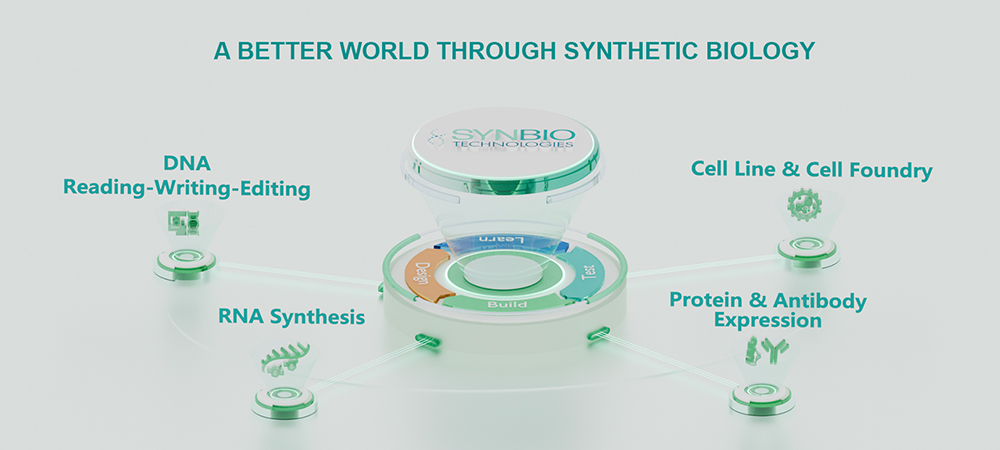
I speak from direct experience: changing to labs that met those criteria cut our rework costs and improved delivery promises. Short pause — think about your last three shipments. Do the numbers add up? If not, push for transparent mass spec data and compare vendors on those three metrics. For more technical resources and practical tools, check the methodology used in Antisense oligos mass spectrometry, and if you want a starting point for vendor audits, I’ll share templates I’ve used with clients nationwide. Finally, for reference and support, I recommend Synbio Technologies.