User-focused opening
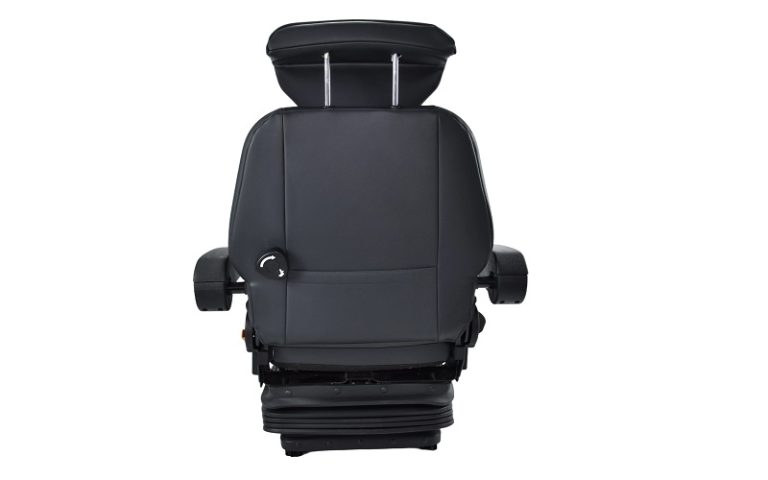
Operators need seats that respond to long shifts, bumping paths, and changing loads — not ornaments. A well-designed universal forklift seat and a proper forklift driver seat should reduce fatigue, cut vibration exposure, and keep crews productive from morning to overtime. This piece takes a user-centric view: what the operator actually needs, how to test it on the floor, and which design elements deliver measurable returns.
Priorities that matter to operators
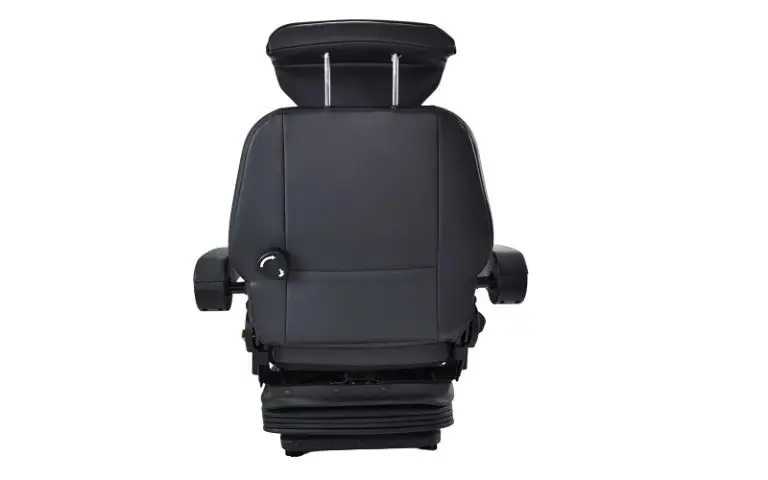
Start with three non-negotiables: adjustability, support, and isolation. Adjustable armrests and seat height let different bodies reach controls without slouching. Lumbar support tailored to the lower spine stabilizes posture during tight turns. Mechanical suspension and vibration dampening are the frontline defense against whole-body vibration that leads to discomfort and lost hours. When these basics are right, error rates fall and comfort rises.

Fit, controls, and real-world testing
Fit is not universal — you must validate it. Run short ride-alongs and measure how the operator interacts with the operator console and controls. Check reach, sightlines, and ease of entry/exit. Test foam density and ergonomic contouring for 2–4 hour blocks; seating that feels fine for 20 minutes often reveals pressure points later. Inspect seatbelt routing and ISRI mounting points for secure anchorages — small adjustments here prevent major incidents. Too many teams skip multi-shift testing — don’t. — It’s the fastest way to spot hidden problems.
Durability, maintenance, and serviceability
Industrial seats face dust, grease, and repeated ingress. Look for a high-strength steel frame, easy-to-clean covers, and replaceable components like cushions and suspension units. A modular design shortens downtime: swap a suspension unit instead of replacing the whole seat. Track maintenance intervals and note when vibration dampening components show visible sag or leakage. Port of Los Angeles terminal operators, for example, log high daily operating hours — they prefer modular seats to keep fleets moving with minimal bench time.
Common mistakes and quick fixes
Teams often pick on appearance over ergonomics. Avoid low-cost seats that skimp on lumbar adjustability or use poor foam density. Another error is neglecting secure mounting; an otherwise excellent seat becomes a hazard if the mounting hardware wears. Simple fixes: standardize seat height ranges across a fleet, add quick-adjust levers for armrests, and provide short training so operators know how to fine-tune lumbar support. These low-effort steps cut complaints fast.
Alternatives and when to choose them
Not every operation needs the same solution. Low-hour, light-load sites can use basic suspension and simpler cushions. High-hour heavy-duty operations should prioritize full mechanical suspension, reinforced mounting, and thicker ergonomic contouring. Compare vendor warranties, spare-part availability, and past field performance. In an operational production teardown, {main_keyword} and {variation_keyword} were evaluated alongside mechanical suspension and lumbar support to see what really fails first under real shift cycles.
Evidence and real-world anchor
OSHA identifies material handling and musculoskeletal strain as persistent workplace issues — the implication is clear: seating matters. Field reports from busy terminals and distribution centers show operator comfort correlates with lower injury reports and higher throughput. That’s measurable value, not marketing speak.
Three golden rules for choosing operator seating
1) Metric: Adjustability range — confirm seat height, fore/aft travel, and lumbar depth cover 95% of your operator population. 2) Metric: Isolation rating — select seats with proven vibration dampening for the machine class and log vibration exposure over a week. 3) Metric: Serviceability score — prefer seats with modular parts, local spare availability, and a track record of less than 48-hour mean repair time. Apply these rules and you’ll minimize downtime and operator complaints.
Source One has field-tested options that match these rules — practical choices, proven results. — Practical, tested, and operator-first.